
Circulation restrictions in Monaco are scheduled and severe for named event dates in 2026, above all the Monaco Grand Prix (early June) and the Monaco Yacht Show (mid September). Outside those windows, ordinary traffic rules apply with only minor seasonal tweaks.
- Grand Prix build, race and dismantle: expect closures from late May through mid June, with the harbour circuit fully sealed on race days.
- Campervans and vehicles over 3.5 tonnes are banned from the principality on race weekend and often on Tour de France or La Vuelta passage days.
- CAM buses run free across the network during major event weeks.
- Check the official Grand Prix transport plan and Monaco’s permit pages before you travel.
What events cause circulation restrictions in Monaco?
Three recurring events reshape Monaco’s road network each year, and each follows a predictable rhythm once you know what to watch for.
- Monaco Grand Prix (early June): grandstand and barrier installation starts roughly three weeks beforehand, with the harbour perimeter progressively closing during the final period. Race days themselves bring dawn-to-dusk closures on the full circuit, and dismantling can take multiple days.
- Monaco Yacht Show (mid September): quaysides around Port Hercule close to general traffic for around a week either side of the show itself, governed by a dedicated Arrêté Ministériel that sets pedestrian corridors and vehicle prohibitions street by street.
- Tour de France or La Vuelta passages: when either race routes through the principality, expect a single-day ban on through traffic and campervans, confirmed only weeks ahead once the official stage route is published.
None of these dates move much year to year, but the exact hours do, so always check the current arrêté rather than assuming last year’s schedule repeats.
Which roads and vehicle types face Monaco traffic rules?
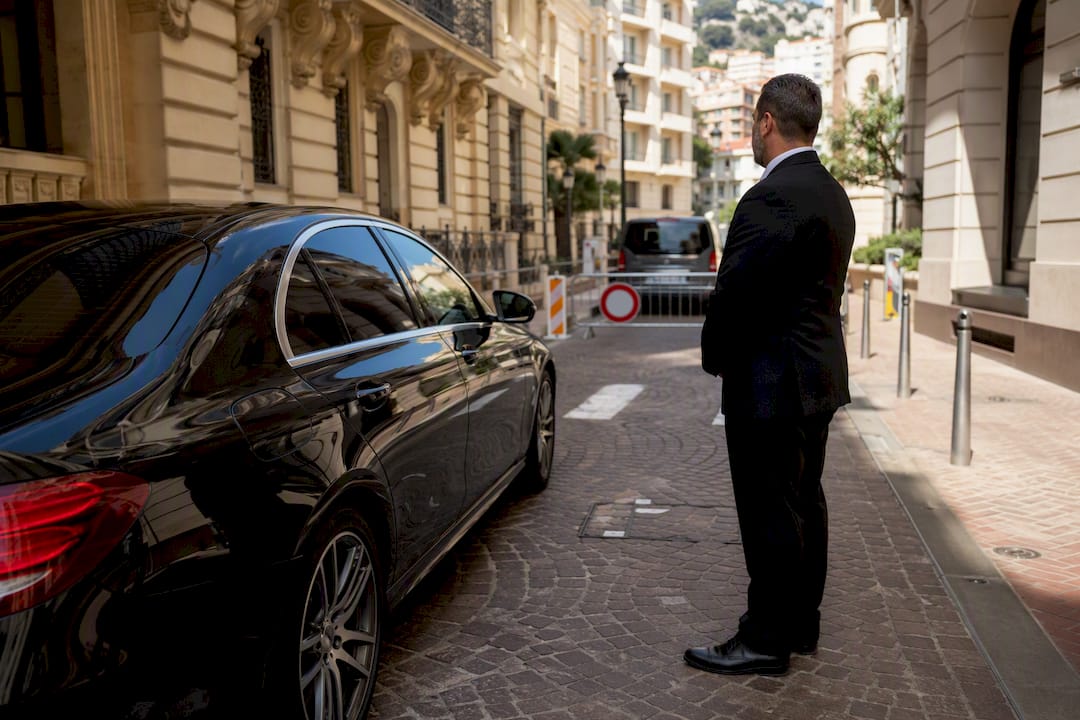
Grand Prix closures follow a well-worn pattern. The Sainte-Dévote tunnel, the Auréglia slip road, Avenue des Papalins, Quai des États-Unis and Quai Antoine Ier all close to general traffic during build and race phases. Several become one-way in reverse or temporary two-way to manage emergency and service access. Drivers unfamiliar with the principality often lose twenty minutes simply hunting for the diversion that replaces their usual route.
Vehicle-specific rules matter more than most visitors expect:
- Vehicles over a certain weight limit are typically barred from the circuit perimeter on race days.
- Campervans face an outright ban across race weekend under the Grand Prix transport plan; a vehicle the size of a long-wheelbase panel van conversion will not be permitted anywhere near the harbour that week.
- Vehicles not registered in Monaco sometimes face additional checks at perimeter access points, particularly during the Yacht Show’s regulated zones.
- Streets normally running one direction get reversed for the event, and roads that are one-way year round temporarily allow two-way flow to feed exit routes.
Pro Tip: Screenshot the current diversion map before you drive in. Mobile signal drops near the tunnels, and you will not have time to reload a page while queuing at a barrier.
Where can pedestrians walk during Monaco events?
Harbour-front pavements and the circuit’s inner perimeter close to general pedestrians during build, race and dismantle phases, not only on the headline race days. Anyone walking to a hotel, restaurant or meeting near Port Hercule during Grand Prix week should expect a longer, signposted route around the barriers rather than a straight line along the quay.
Ticket holders and accredited personnel move through the closed zones on authorised routes, with passes issued directly by the event organiser or Monaco police rather than sold generally. The same applies during the Yacht Show, where the Arrêté Ministériel defines specific pedestrian corridor widths and reserved crossing points along the quays.
- Reduced-mobility visitors should confirm accessible crossing points in advance; several standard pedestrian bridges close entirely during build phases.
- If you rely on walking to reach a taxi rank or meeting point, build in an extra fifteen to twenty minutes near event perimeters.
- Hotel concierge teams usually hold the most current pedestrian access maps, often more current than what is published online.
Where does parking disappear during Monaco events?
Parking suspensions cluster tightly around the harbour. Darse Sud, Quai Louis II, jetée Lucciana and the Pierre froide areas around Port Hercule all lose their normal parking allocation for the duration of build, event and dismantle phases, and enforcement starts earlier than most visitors expect.
Several Monaco ON charging points inside the harbour perimeter go offline for the same period, since event transport plans routinely take EV infrastructure out of service within the closed zone, sometimes for a week or more either side of the event itself. Anyone driving an electric vehicle to Monaco during Grand Prix week should plan to charge outside the restricted perimeter, not within it.
- Suspended parking: Darse Sud, Quai Louis II, jetée Lucciana, Pierre froide sector.
- EV chargers affected: multiple Monaco ON stations inside the harbour perimeter, offline across the build and dismantle window.
- Residents and blue badge holders displaced by suspensions should contact the local police station in advance; some exceptions are granted case by case rather than automatically.
How does public transport change in Monaco during events?
The Prince’s Government routinely makes CAM bus travel free across the entire network during Grand Prix week, a deliberate move to pull cars off roads that are already narrowed by barriers. Routes divert around closed sections and extra services often run to cover demand that would otherwise queue for taxis.
Zou! intercity coaches connecting Monaco to Nice and Menton also see route restrictions during build and race phases, particularly where their normal stops sit inside the closed perimeter.
- Free CAM travel typically covers the entire event week, not just race day itself.
- Diverted routes are published shortly before the event; check the network’s live updates rather than a printed timetable.
- Shuttle services and scheduled transfers fill gaps where regular buses cannot reach, though seats fill fast on race mornings.
- A pre-booked private transfer with a fixed pickup time avoids the queuing that affects both taxis and shuttles on the busiest event days.
How do you get a permit for restricted zones in Monaco?
Two separate permits cover most access needs, and neither is complicated once you know which one applies.
- Macaron d’accès à Monaco-Ville: residents and those with a genuine need to drive into the old town apply with proof of residence or business address. When the file is complete, the permit is issued on the spot at the salle de garde of the Direction de la Sûreté Publique, and it remains valid for a year.
- CIGM authorisation for semi-pedestrian zones: anyone needing vehicle access to a regulated pedestrian area must submit the published form to the Centre Intégré de Gestion de la Mobilité at least five days ahead, via [email protected].
- Deliveries, medical visits and professional access: these follow the same CIGM route but often need supporting documents (medical appointment letters, delivery manifests), so allow more than the minimum five days during event weeks when processing slows.
How do event restrictions affect private transfers in Monaco?
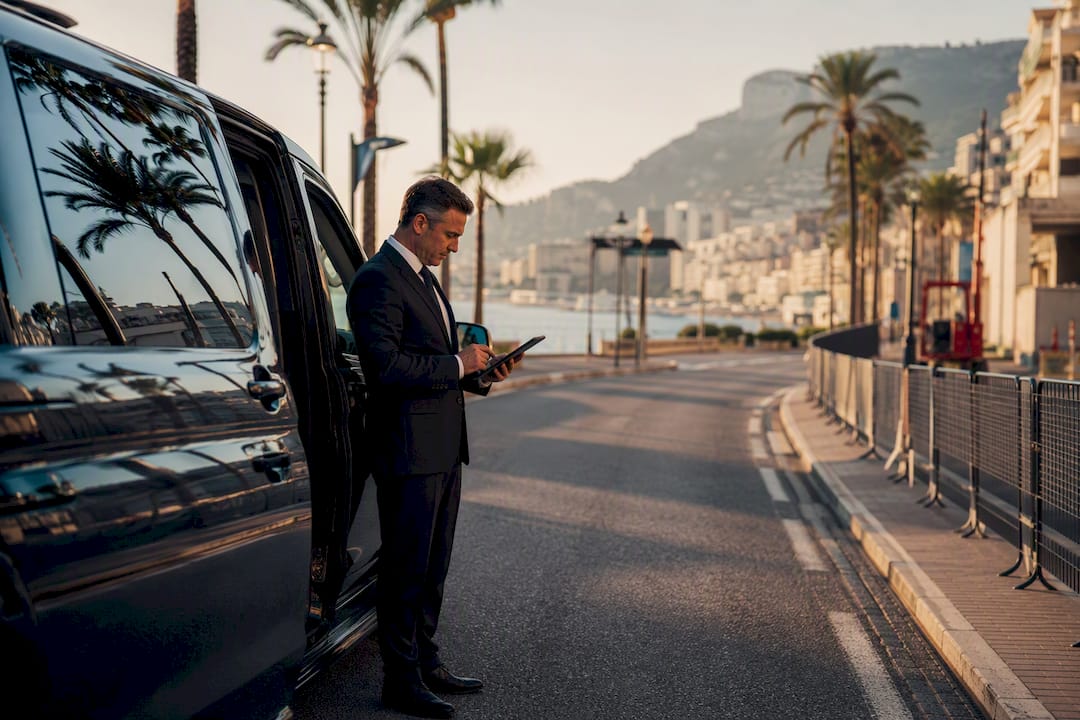
A fixed-rate, pre-booked transfer can reduce uncertainty from event-week closures. Transponyx runs its 2026 rates on a per-vehicle, confirmed-at-booking basis across the Standard Sedan, Business Sedan, Van 7 pax and Van 8 pax categories, with bilingual licensed drivers who know exactly where the current perimeter sits.
During Grand Prix week, journeys between Nice Côte d’Azur Airport and Monaco that normally take 35 to 40 minutes can stretch to over an hour once diversions around Sainte-Dévote and the harbour quays kick in. Transponyx drivers build that buffer into pickup timing automatically and monitor incoming flights so a delayed arrival never means a missed handover. For readers arranging travel around the Grand Prix transport plan, calling +33 6 10 30 71 84 ahead of the event secures a staging point outside the closed perimeter.
Do Monaco’s seasonal traffic rules apply outside major events?
Monaco does not run a low-emission zone or a congestion charge comparable to those found in larger European cities, and there is no daily toll for entering the principality by car. Day-to-day circulation restrictions outside event weeks are limited and mostly concern speed limits, which are lower on several stretches than equivalent French roads, and a general note from French diplomatic guidance that Monaco’s rules differ from France’s in specific respects even though both use the same currency and open border.
Where restrictions do bite year round is parking. Monaco’s paid parking system covers most street spaces and multi-storey car parks, and enforcement is consistent rather than seasonal. Some residential streets near Monaco-Ville require the macaron described earlier, and that requirement doesn’t relax outside event periods.
Summer brings a second layer worth noting: increased pedestrian volume along the harbour and Larvotto beach frontage during July and August leads police to informally tighten enforcement on double-parking and loading, even without a published arrêté. It’s a practical reality rather than a formal rule change, but it catches out visitors who assume quieter roads mean relaxed enforcement.
For anyone driving into Monaco from Nice, Cannes or the Italian border, the absence of a formal environmental zone is good news, but it doesn’t mean circulation is unregulated. Monaco’s compact street grid and near-constant construction activity around Fontvieille and the harbour mean short-term lane closures happen throughout the year, independent of any major event calendar.
Where can you check live traffic updates for Monaco?
The most reliable source remains the government’s own transport notices, published in English and French on monservicepublic.gouv.mc ahead of each major event, with precise closure times updated as the build phase progresses. These notices are far more current than most third-party travel guides, which tend to repeat the previous year’s schedule.
For legal texts underpinning any restriction, including full arrêtés with street-by-street detail, the Journal de Monaco publishes the original order, and France’s own legal repository, Legifrance, hosts related cross-border administrative guidance where relevant.
Local radio remains a genuinely useful tool during event weeks. Riviera Radio broadcasts in English and covers live traffic disruption around the principality, often faster than official social media updates during fast-moving situations like sudden road closures for security sweeps.
For day-to-day navigation, mainstream mapping apps such as Google Maps and Waze pick up Monaco’s temporary closures reasonably quickly once local authorities feed the data through, though there is sometimes a lag of an hour or two during the first day of a new closure. Drivers heading in from Nice or Cannes during event week should treat any app-suggested route through the harbour with caution and cross-check it against the official transport plan before committing.
Hotel concierge desks in Monaco and neighbouring Menton and Beausoleil often hold more current information than any app, since many are briefed directly by event organisers.
Can emergency vehicles reach Monaco during restrictions?
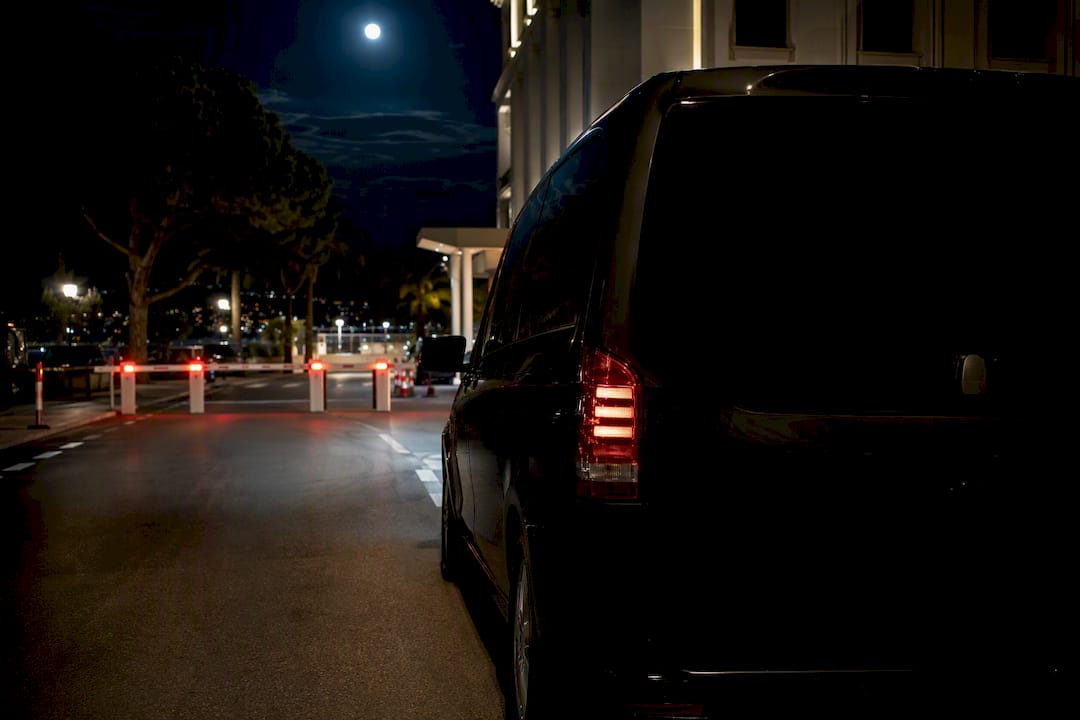
Emergency access is built into every official transport plan rather than treated as an afterthought. Fire, ambulance and police vehicles retain designated corridors through closed perimeters during the Grand Prix and Yacht Show, and these corridors are marked and enforced separately from the general traffic diversions affecting private cars.
Outside major events, Monaco’s compact geography means emergency response times remain short even where a street is closed for construction or a temporary event, since the principality’s small footprint gives responders multiple alternative approaches. The same doesn’t fully apply during the most intensive Grand Prix build days, when barrier installation genuinely narrows some approach roads, so residents in the immediate harbour area are sometimes advised to keep a phone number for the local police station handy during that specific week.
Medical appointments and deliveries requiring vehicle access to a restricted zone follow the CIGM authorisation route described earlier, and applicants citing a genuine medical need are generally processed with more flexibility on the standard five-day notice period, though this isn’t guaranteed and depends on the specifics of the request.
A practical note on last-minute plans
Every event week, someone assumes they’ll simply drive to their hotel and sort parking on arrival. It rarely works out that way once the barriers are up and the one-way system reverses without warning. The single habit that prevents most disruption is booking a fixed transfer or building in a genuinely generous buffer, rather than trusting the same route that worked the week before. Readers wanting guaranteed access can arrange this through Transponyx’s booking page.
Getting through Monaco’s restrictions without the guesswork
Transponyx is the practical alternative to arriving in Monaco unsure which quay is closed or where the diversion leads. The fleet runs across four categories, Standard Sedan, Business Sedan, Van 7 pax and Van 8 pax, all Mercedes-Benz, all booked at fixed 2026 rates confirmed before you travel, with no surge pricing when event demand spikes.
On Grand Prix and Yacht Show days, that predictability matters more than usual. Drivers stage vehicles outside the restricted perimeter, monitor incoming flights automatically on every airport transfer, and liaise directly with permit checkpoints so passengers aren’t left explaining themselves at a barrier. Every driver is bilingual in English and French at minimum, and the service runs 24 hours a day, seven days a week, with 60 minutes’ free waiting time on airport pickups.
Compare the options at the luxury chauffeur services overview or call +33 6 10 30 71 84 to confirm a fixed-rate transfer for your event dates before the roads close around you.
Sources
- Traffic and travel arrangements for the 83rd Formula 1 Louis Vuitton Monaco Grand Prix
- Traffic and travel arrangements for the 83rd Formula 1 Louis Vuitton Monaco Grand Prix
- Arrêté Ministériel n° 2026‑393 du 16 juillet 2026
- Obtenir un macaron d’accès à Monaco Ville
- Demander un accès à une zone semi-piétonne
FAQ
Does Monaco have different traffic laws to France?
Yes. Monaco sets its own speed limits, parking rules and event-specific arrêtés independently of France, even though the two countries share an open border and the euro.
Can I enter Monaco with my car during a major event?
Usually yes outside the immediate closed perimeter, but vehicles over 3.5 tonnes and campervans face outright bans during Grand Prix race weekend, and the exact perimeter shifts daily during build and dismantle phases.
Are Monaco citizens also French citizens?
No. Monaco nationality is distinct from French nationality, and most Monaco residents are actually French, Italian or other foreign nationals rather than Monégasque citizens.
Can you travel freely between Monaco and France?
Yes, the border is open with no routine checks, though French government travel guidance notes that Monaco’s specific traffic and parking rules still apply once you cross into the principality.
What is the fastest way to avoid Monaco’s event-week traffic disruption?
Pre-booking a fixed-rate private transfer, such as those run by Transponyx, avoids the diversions and parking suspensions that catch out drivers relying on their usual route into Monaco.
0 commentaires