par Daniel AIT GOUGAM | Août 26, 2026 | news
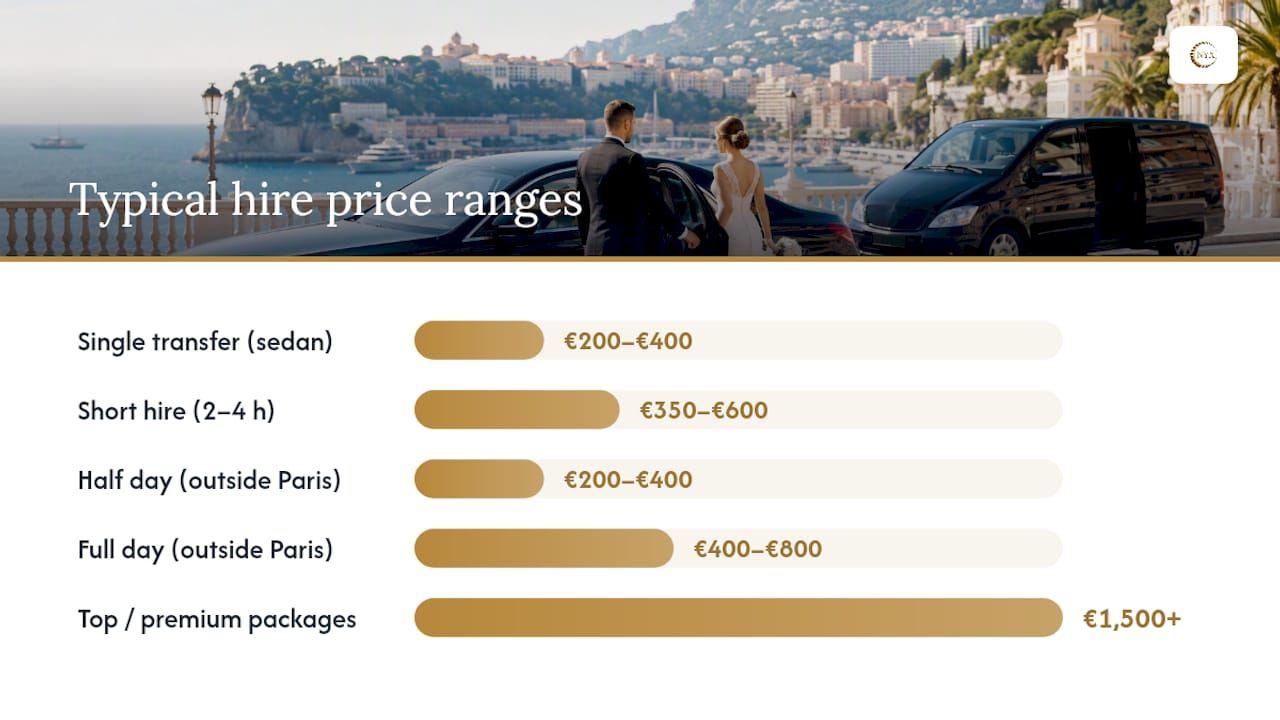
A single wedding transfer with a chauffeur typically costs €200 to €400 in France, a short two to four hour hire runs €350 to €600, a half day sits between €500 and €900, and a full day package starts around €800 and can exceed €1,500 depending on the vehicle and extras, according to French wedding transport pricing guides. Paris and Riviera festival dates push every one of these bands upward.
The single most useful thing you can do right now is ask each supplier for a fixed, per-vehicle quote that spells out the waiting allowance in minutes and the kilometres included. Everything else, vehicle choice, decoration, extra stops, is negotiable detail sitting on top of that base figure.
Typical 2026 wedding chauffeur budget bands in France:
-
Single transfer (church to reception, for example): €200–€400
-
Short hire, 2 to 4 hours: €350–€600
-
Half day (demi-journée): €500–€900
-
Full day: €800–€1,500+
-
Paris and Île-de-France: expect a notable uplift on every band above
-
Cannes, Monaco or Saint-Tropez during major events: book early, prices firm up fast
How much does a wedding chauffeur cost in France?
The national price bands hold reasonably steady across most of France, but the vehicle category and the region you marry in move the number more than almost anything else. A modest single transfer with a Standard Sedan style vehicle sits comfortably at the lower end of the €200 to €400 bracket, while the same journey in a vintage or classic car, or during a high demand weekend, drifts toward the top.
Short hires of two to four hours, the format most couples choose for the ceremony to reception leg plus photographs, typically land at €350 to €600, according to the same French wedding transport guides. This bracket assumes a single vehicle, a modest number of stops, and no significant waiting between engagements.
Half day and full day hires change the maths because suppliers price them as blocks rather than point to point journeys. Event and VTC trade sources describe demi-journée packages commonly running €200 to €400 in the regions outside the capital, with journée complète packages at €400 to €800 regionally, and Paris typically 20 to 40% above those figures, according to VTC wedding and event guidance. Nationally, once you factor in premium vehicles and longer full day formats, the top of the market climbs past €1,500.
Vehicle style is the other major lever. Limousine and premium vehicle hire guides put full wedding limousine packages between €400 and €1,500 depending on the formula chosen, with Paris consistently the most expensive market in France, according to limousine pricing data. A restored classic convertible or a stretch limousine will always price above a modern executive sedan, purely because supply is scarcer and preparation takes longer.
A snapshot of what shapes the final figure:
- Vehicle category: vintage and classic cars cost more than modern sedans; vans built for multiple passengers price differently again
- Duration: single transfers versus half day versus full day are priced as separate products, not linear multiples of an hourly rate
- Region: Paris and Île-de-France carry the highest national premiums; the Riviera follows during major events
- Number of vehicles: a bridal car plus a guest shuttle multiplies the total quickly
Local marketplace listings for the Alpes-Maritimes, covering Nice and the surrounding coast, show a typical median close to €400 to €600 for a wedding car, with entry level offers from around €120 to €250 and premium full day or rare vehicle packages exceeding €1,000, according to regional listings for Nice. That spread tells you something important: the Riviera is not a single price zone. A quiet Tuesday in November prices very differently to a Saturday during the Cannes Film Festival.
What does a wedding chauffeur price actually include?
A fair quote names its components rather than quoting one round number and leaving the rest to assumption. Before you compare two suppliers side by side, confirm these are on the table.
- The chauffeur’s time and the vehicle itself, prepared and presented for the day, not simply “available”.
- Passenger insurance, covering the wedding party while travelling in the vehicle.
- A stated waiting allowance, expressed in minutes, not the vague phrase “waiting included”.
- Fuel and standard mileage up to a defined limit, usually specified per package.
- A fixed price per vehicle, confirmed before the day, with no surprise surcharge added afterwards.
What commonly costs extra tells you just as much. Floral decoration and ribboning of the vehicle, champagne service inside the car, a night surcharge for late finishes, additional waiting hours beyond the stated allowance, and mileage beyond the contracted limit are the recurring add-ons across French wedding transport guides and limousine hire pricing tables alike, per limousine and premium vehicle guides.
Pro Tip: Ask the supplier to quote overtime per 15 minutes rather than accepting “extra charges may apply”. A precise overtime rate is the only way to compare two quotes that structure their waiting allowance differently.
Before signing anything, insist on seeing the maximum kilometres included, the cancellation policy in writing, and, if you have any doubt about legitimacy, proof of a valid VTC licence. A supplier confident in their pricing will produce all three without hesitation.
Why do wedding chauffeur quotes vary so much?
Two couples booking the same duration on the same weekend can receive quotes that differ by several hundred euros, and the gap almost always traces back to five variables rather than one.
Vehicle rarity sits at the top. A fleet sedan or van is straightforward to source and price; a vintage convertible or a stretch limousine requires specialist maintenance and sits in far shorter supply, which shows up directly in the quote. Duration and the number of stops matter almost as much: a chauffeur held on standby between the ceremony and the photo session, then driven across town for a reception, is effectively working a longer day than the headline hours suggest, and experienced Riviera operators typically build in a minimum mobilisation window of around four hours to cover vehicle preparation and depot travel time.
What consistently drives a quote higher:
- A rare or vintage vehicle instead of a modern fleet sedan or van
- Multiple stops or a long gap between ceremony and reception requiring the chauffeur to remain on standby
- A wedding date falling during a major regional event
- A Paris or Île-de-France postcode, which carries the steepest national premium
- A request for a specific, uniformed, bilingual chauffeur rather than “any available driver”
Seasonal and event driven demand is where the Riviera behaves differently from most of France. The Cannes Film Festival, the Monaco Grand Prix, Cannes Lions, MIPCOM and MIPIM all compress available chauffeur and vehicle stock across the coast for days at a time, and couples marrying during those windows should expect both higher prices and much earlier booking deadlines. A bilingual, uniformed, professionally licensed chauffeur also costs more than an unbadged driver, and for good reason: on a wedding day, the margin for error is zero, and experience is what prevents it.
What do real wedding transport packages cost?
Turning a price range into an actual decision is easier with worked examples. These reflect the pricing logic used across French guides and Riviera practice, not a single supplier’s rate card.
-
Bridal couple, single transfer only. One vehicle collects the couple from the ceremony and delivers them to the reception, typically a journey of 20 to 40 minutes on the Riviera. Expect €200 to €400, sitting at the lower end if the vehicle is a standard sedan style car and the distance is modest, and higher for a vintage or premium choice.
-
Short photo and move package, 2 to 4 hours. The chauffeur remains with the couple through the ceremony, a photo stop at a scenic location, and the drive to the reception. Budget €350 to €600, consistent with national short hire pricing, with the top of the range reflecting extra stops or a premium vehicle.
-
Demi-journée with multiple stops. A half day booking covering the ceremony, a photo session at a second location, transfer to the reception, and a returning trip for the couple later in the evening. This format typically costs €500 to €900 nationally, and Riviera suppliers often price toward the upper half of that band when the itinerary includes hillside or coastal photo locations that add travel time.
-
Guest shuttle rotations. For larger weddings, a Van 7 pax or Van 8 pax can run rotations between a hotel and the venue, useful when parking is limited, as it often is around Antibes or Saint-Tropez in summer. Each vehicle is priced separately, and planning the rotation schedule in advance, rather than assuming one van can serve fifty guests instantly, avoids a last minute request for a second vehicle at a premium rate.
How does TranspOnyx price a Riviera wedding transfer?
TranspOnyx operates a Mercedes-Benz fleet across four categories, Standard Sedan and Business Sedan for up to three passengers each, and Van 7 pax or Van 8 pax for larger wedding parties, with every 2026 rate fixed per vehicle and confirmed at the time of booking. There is no surge pricing applied later, which matters enormously on a date when demand across the coast is already stretched.
Riviera geography shapes almost every quote. A transfer from Nice Côte d’Azur Airport to Monaco covers roughly 30 kilometres and takes around 45 minutes outside peak traffic; Nice to Cannes covers a similar distance in a comparable time. Both routes appear constantly in wedding transport requests, whether collecting overseas guests on arrival or moving the wedding party between a coastal ceremony and an inland reception.
A wedding day quote is only as trustworthy as its detail. TranspOnyx builds every fixed rate around named inclusions rather than a single headline number: 60 minutes of free waiting time on airport pickups at NCE, 20 minutes at any other address, flight monitoring on every airport transfer, and a bilingual, licensed chauffeur as standard.
What a TranspOnyx wedding quote typically confirms upfront:
- Vehicle category (Standard Sedan, Business Sedan, Van 7 pax or Van 8 pax) matched to guest numbers
- Fixed price for the full route and duration required, agreed before the day
- Waiting allowance stated in minutes, not left ambiguous
- A bilingual chauffeur, with Italian, Spanish, Russian or Arabic available on request
To get a tailored figure for your own date, call +33 6 10 30 71 84 or visit Transponyx with your venues, timings and guest count ready to hand.
What should you ask before booking a wedding chauffeur?
Getting comparable quotes from three suppliers requires giving each of them exactly the same information and asking exactly the same questions. Skip this step and you will end up comparing figures that were never measuring the same service.
Information to hand over before requesting a quote:
- Ceremony and reception venue names and addresses
- The time window the vehicle is needed, start to finish
- Passenger numbers for the bridal car and for any guest shuttle
- Whether a photo session with the vehicle is planned, and roughly how long it will take
Questions that make quotes genuinely comparable:
- What is the included waiting allowance, in minutes, and what is the overtime rate per 15 minutes beyond it?
- How many kilometres are included, and what happens beyond that limit?
- Is decoration or floral dressing of the vehicle included or charged separately?
- What is the chauffeur’s dress code, and is a specific driver guaranteed or only a vehicle category?
- What is the cancellation policy, and by what date does a deposit become non-refundable?
On the French Riviera, booking three to six months ahead is sensible for most weekends, and anything closer to the Cannes Film Festival or the Monaco Grand Prix should be locked in as early as nine to twelve months out, since fleet availability during those weeks disappears fast. A structured booking process that confirms the vehicle, price and inclusions in writing before any deposit changes hands is the only way to avoid a late surprise. Get every one of the answers above in an email or contract, not a verbal assurance, before you pay anything.
Why most wedding transport advice misses the point
Most guides to wedding chauffeur pricing hand couples a vendor list and call it done. That misses the actual problem: nobody struggles to find a chauffeur company near a French wedding venue. They struggle to work out whether the quote in front of them is fair, because two suppliers rarely price the same service the same way.
The conventional advice, “get three quotes and compare”, is only half right. Three quotes are useless if one states a waiting allowance in minutes, another says “waiting included” with no limit, and the third omits mileage entirely. The comparison only works once every supplier answers the same specific questions, which is why fixed, itemised pricing matters more than the headline figure itself.
If there is one priority worth taking from this guide, it is this: interrogate the waiting allowance and the kilometre limit before you look at the price at all. A cheaper quote with a stingy waiting window and a tight mileage cap frequently ends up costing more than a slightly higher fixed rate with generous terms, once the overtime charges land after the day.
— Dany
Get a fixed 2026 quote for your Riviera wedding transport
TranspOnyx is the alternative to piecing together vendor quotes with no shared benchmark. Its 2026 rates are fixed per vehicle before you book, so you agree the total for your wedding day transport upfront, not after a waiting clock or mileage counter has quietly run past its limit. The fleet spans Standard Sedan and Business Sedan for the bridal party through to Van 7 pax and Van 8 pax for guest shuttles between a hotel and venue in Antibes, Menton or further along the coast.
Every booking includes a bilingual, licensed chauffeur, air conditioning, Wi-Fi and chilled water as standard, with child seats available on request. Call +33 6 10 30 71 84 or visit the luxury chauffeur comparison page to share your venues, timings and guest numbers, and receive a fixed, itemised quote for your date on the French Riviera.
Sources
FAQ
What is the typical price of a wedding chauffeur in France?
A single transfer costs €200 to €400, a short two to four hour hire costs €350 to €600, a half day costs €500 to €900, and a full day starts around €800 and can exceed €1,500, according to French wedding transport pricing guides.
What does hiring a private chauffeur cost outside a wedding context?
Private chauffeur hire for a general event or by-the-hour booking follows similar duration-based pricing, with vehicle category and region shifting the total the same way it does for weddings; ask for a fixed rate per vehicle rather than an hourly estimate.
What is a fair price for a wedding vendor overall, and how does transport compare?
Wedding vendor pricing varies enormously by category, but transport is one of the more predictable lines because it prices by duration and vehicle rather than by guest count, making it easier to budget early against the bands above.
How much does it cost to hire a car for a wedding in France?
Wedding car hire with a chauffeur in France ranges from roughly €200 for a single journey to over €1,500 for a full day with a premium vehicle, with Paris and Riviera festival dates sitting at the higher end, per regional listings for Nice.
Should I tip a wedding chauffeur in France?
Tipping is not obligatory in France and is not built into standard chauffeur pricing, though many couples offer a discretionary amount for exceptional service on the day.
How early should I book a wedding chauffeur on the French Riviera?
Book three to six months ahead for a standard weekend, and nine to twelve months ahead for dates during the Cannes Film Festival or the Monaco Grand Prix, when vehicle availability tightens considerably.
par Daniel AIT GOUGAM | Août 25, 2026 | news
Bijou Plage, La Plage du Festival and Ciro’s at Le Majestic are the three quickest private beaches to reach from the Croisette, and each solves a different problem for a different visitor. Bijou Plage suits families thanks to sheltered water on Pointe Croisette, roughly a 15-minute walk from the Palais des Festivals. La Plage du Festival delivers the classic Riviera set piece: sun loungers steps from the red carpet, full restaurant service, and a reservations desk built for high season. Ciro’s, tucked inside Le Majestic, is the pick for anyone seeking hotel-grade polish without staying at the hotel.
During the Cannes Film Festival, MIPIM or Cannes Lions, front-row spots at all three vanish well in advance, and Croisette traffic can significantly increase travel time.
- Bijou Plage — family-friendly, calm water, 15-minute walk from Palais des Festivals
- La Plage du Festival — largest Croisette concession, full-day dining, book ahead in high season
- Ciro’s (Le Majestic) — hotel-standard service, beach open roughly 10:00–18:00
A fixed-rate chauffeur from Transponyx removes the guesswork: call +33 6 10 30 71 84 and a Standard Sedan or Van 7 pax collects you and drops you within walking distance of any Croisette beach entrance, festival week or not.
Where can you get private beach access in Cannes?
Access comes down to three questions: which stretch of coast, which season, and how you plan to arrive. Cannes runs its private beach concessions along three main zones, the Croisette proper, the quieter Pointe Croisette, and Port Canto towards the eastern end, each with a different character and a different route in.
The Croisette holds the highest concentration of private beaches and generally higher pricing, including venues like La Plage du Festival, Rado Plage, Ciro’s and Carlton Beach Club opposite the grand hotels. Pointe Croisette, home to Bijou Plage and several calmer coves, draws families seeking gentler water and a quieter environment. Port Canto, further along, tends to attract an older and quieter clientele and offers somewhat easier car access outside festival weeks.
Comparing the main private beaches in Cannes
The differences between venues are less about postcode than about what you actually get for your money once you sit down. Front-row and second-row pricing structures are near-universal across the Croisette, with operators typically including a mattress, umbrella and towel in the base fee and charging a premium for the closest row to the water.
| Beach |
Location |
Typical hours |
Core services |
Best for |
Reservation method |
Price cue |
| Bijou Plage |
Pointe Croisette |
12:00–00:00 (lunch, aperitivo, dinner) |
Restaurant, cocktail bar, sunbeds |
Families, calm water |
Phone, online booking |
Second row lower cost |
| La Plage du Festival |
Croisette (central) |
Full day, dining service |
Restaurant, large sunbed deck |
Classic Riviera scene |
Phone, official site |
Front row premium |
| Ciro’s (Le Majestic) |
Croisette, hotel frontage |
Roughly 10:00–18:00 beach, 12:00–22:30 dining |
Restaurant, hotel-standard sunbeds |
Guests wanting hotel polish |
Hotel concierge, phone |
Front row premium |
| Rado Plage |
Croisette |
Day service |
Pontoon, classic beach club service |
Long-standing Riviera luxury |
Phone, on-site |
Front row premium |
| CBEACH |
Croisette |
From 09:00 |
Lifeguards, showers, changing rooms |
Early arrivals, families |
Phone, on-site |
Second row moderate |
| Carlton Beach Club |
Croisette, Carlton frontage |
Day service |
Restaurant, hotel-linked sunbeds |
Luxury dining |
Hotel concierge, phone |
Front row premium |
| Miramar Plage, Waikiki Plage, Le Bénitier |
Croisette / Pointe Croisette |
Day service |
Sunbeds, restaurant |
Varies by venue |
Phone, on-site |
Mixed |
Beyond this shortlist, the Croisette hosts a long roster of similarly structured venues, among them Hyde Beach Cannes, Copal Beach, La Petite Cannoise, La Mandala, Palais Stéphanie Beach, Vilebrequin La Plage Cannes, Annex Beach, Belle Plage, Croisette Beach Plage, Ecrin Plage, Goéland, L’Alba, La Guérite, La Môme Plage, La Plage Barrière Le Majestic Cannes, La Plage du Martinez, Le Cabanon, Mademoiselle Gray Plage Barrière, Maema Plage, O’key Beach, La Paillote Blanche, Le Lagon Mandelieu, Pascalin Plage, So Beach, Le Vieux Rocher, Monsieur Pablo and Jimbaran Plage. Families gravitate towards Bijou Plage, CBEACH and Le Lagon Mandelieu for shallower water and lifeguard cover; diners chasing a proper meal alongside their sunbed lean towards La Plage du Festival, Ciro’s or Carlton Beach Club; anyone after a livelier scene tends to end up at La Mandala or So Beach later in the afternoon.
Full-beach privatisation, for weddings, corporate events or film crews, generally needs several weeks’ notice in season and considerably more during festival periods, when venues are already juggling day-pass demand against exclusive bookings.
Getting to the sand is rarely the hard part outside festival season. It becomes the hard part the moment a red carpet closes half the Croisette or MIPIM fills every hotel drop-off point between the Palais and Port Canto.
- From Cannes railway station, most Croisette beaches are a 12 to 18-minute walk; Pointe Croisette venues like Bijou Plage add another ten minutes on foot.
- From the Palais des Festivals, Bijou Plage sits roughly 15 minutes away on foot, while La Plage du Festival and Ciro’s are practically at the doorstep.
- Parking along the Croisette and around Port Canto fills fast in summer and disappears almost entirely during festival week, pushing many visitors towards paid car parks several streets back.
- During Cannes Film Festival, MIPIM, Cannes Lions or MIPCOM, plan to leave your hotel at least 30 to 40 minutes earlier than usual for any beach reservation with a fixed time.
Pro Tip: If you are staying in Nice or Monaco and heading to a Cannes beach for a festival lunch, book your transfer the moment you confirm the beach reservation, not the morning of. Availability for both tightens at the same rate.
A booked chauffeur or hotel concierge drop-off remains the most dependable option precisely because it removes the two biggest variables, parking and unpredictable traffic, from a schedule that already has a fixed lunch reservation attached to it. Transponyx’s Cannes chauffeur service tracks these congestion patterns closely, and festival-week transport scarcity is a real, recurring feature of the calendar rather than an occasional inconvenience.
How do you choose and book the right beach spot?
Front row generally buys you proximity to the water, first access to shade rotation as the sun moves, and marginally faster table service if the beach runs a restaurant. Second row costs less and still includes the same core kit at most venues: mattress, towel, umbrella and access to showers, with the price gap widening sharply during festival weeks.
- Decide your priority first: water view and status (front row) or value and flexibility (second row or a shaded back section).
- Book by phone or the venue’s own site for the clearest confirmation; La Plage du Festival and Bijou Plage both list direct reservation channels.
- Ask your hotel concierge if you are staying at a property with a beach partnership, since concierge bookings sometimes unlock rows not shown online.
- Reserve seven to ten days ahead in July and August, and three to four weeks ahead for festival dates.
- Call the venue directly for full-beach privatisation rather than a day pass; this is a separate booking process with its own lead times and minimum spend.
- Confirm cancellation terms at the time of booking, since policies vary by venue and tighten considerably during peak weeks.
Are Cannes beaches accessible for families and reduced mobility?
Several Cannes beaches carry Handiplage accessibility labelling, which grants access to adapted equipment at labelled sites, though proof of disability is typically required before use. Municipal beaches publish lifeguard supervision windows each summer, with Zamenhof beach supervised from 8:30 to 18:30 between 15 June and 15 September, a useful benchmark for family-focused planning.
- Check Handiplage status directly with the beach before travelling, since labelling varies site to site.
- Shallow coves around Pointe Croisette suit smaller children better than the open Croisette front.
- Accessible parking near beach entrances is limited during peak months; a chauffeur service can coordinate drop-off closer to the entrance than most public parking allows.
What does festival-week transport actually look like on the ground?
Nice Côte d’Azur Airport sits roughly 30 to 40 minutes from central Cannes under normal traffic, stretching towards an hour during festival congestion or a Monaco Grand Prix weekend that pulls traffic west along the coast. A party of two or three typically travels comfortably in a Standard Sedan or Business Sedan; groups of four to seven, common for a shared beach day with luggage and beach bags, generally need a Van 7 pax, while eight travellers with equipment call for a Van 8 pax.
Transponyx runs a fixed 2026 rate structure across all four vehicle categories, so the price agreed at booking is the price paid on arrival, with no adjustment for festival-week surge demand.
- Bilingual, licensed VTC drivers, with some also speaking Italian, Spanish, Russian or Arabic
- 60 minutes of free waiting time included on every airport pickup
- Flight monitoring included as standard, so a delayed landing does not cost extra
- Child seats available on request for family beach days
A driver waiting at arrivals with your name, not a queue at the taxi rank and a meter running through gridlock on the Boulevard Carnot, is the difference between arriving relaxed and arriving already late for your lunch reservation.
That reliability matters more on Film Festival mornings than almost any other week of the Riviera calendar. Every taxi and every parking space along the Croisette is already accounted for by mid-morning.
What services can you expect once you’re through the gate?
Nearly every Croisette private beach runs on the same basic formula, a restaurant kitchen, a bar, sunbeds arranged in rows, and enough back-of-house infrastructure to keep several hundred guests fed and dry through a full day. Ciro’s at Le Majestic keeps its beach area open through roughly the same window as its dining room, typically 10:00 to 18:00, with the restaurant itself running lunch and dinner service until 22:30.
CBEACH opens its stretch of sand from 09:00, earlier than most neighbouring venues, and provides lifeguards on duty alongside showers and changing rooms as standard. Wi-Fi coverage is now close to universal across the larger concessions, useful for anyone working a half-day before a MIPIM meeting or a Cannes Lions panel. Pontoon access, for swimming out beyond the shallows or boarding a water taxi, appears at established venues like Rado Plage, which has offered classic Riviera beach club service since 1958.
Water sports availability varies more than any other category, with some venues offering paddleboard or jet ski hire directly and others referring guests to an adjacent operator. If a maritime excursion appeals more than a static beach day, a private boat charter is worth considering as an alternative; Halkidiki Boat Sailing’s weekly private cruise illustrates the kind of small-group sailing format now offered along several Mediterranean coasts.
Which beach suits your mood: quiet luxury or a livelier scene?
Ambience on the Croisette splits fairly cleanly into three registers, and choosing the wrong one is the single most common regret visitors report after a Cannes beach day. Rado Plage and Ciro’s sit at the quieter, more formal end, favoured by an older clientele that values discreet service and a proper tablecloth over background music. La Plage du Festival occupies the middle ground: busy, well-run, full of the kind of people-watching that makes the Croisette famous, but rarely raucous before evening.
Venues like La Mandala and So Beach lean towards a livelier register once the afternoon turns towards early evening, with music, a younger crowd and a faster drinks turnover. Carlton Beach Club sits closer to the luxury dining end of the spectrum, drawing a clientele more interested in the kitchen than the playlist. Bijou Plage, CBEACH and the Pointe Croisette cluster read calmer and more family-oriented throughout, which is precisely why they suit anyone travelling with children or simply preferring a slower pace.
None of this is fixed by geography alone. The same stretch of Croisette sand can feel entirely different in May during the Film Festival versus a quiet Tuesday in September, and reception staff will usually tell you honestly, if asked directly, what kind of afternoon to expect that particular week.
What are the house rules on a Cannes private beach?
Every private beach in Cannes operates as a paying concession, which means house rules apply the moment you cross onto the sand, not just at the restaurant table. Reservations are generally tied to a specific time slot and row, and arriving significantly late without notice can mean losing the spot to another guest.
Most venues expect swimwear on the beach itself but require guests to cover up, typically with a shirt or wrap, when moving through the restaurant section for lunch. Bringing outside food or drink onto a private beach is almost universally discouraged, and some venues explicitly prohibit it, since the restaurant margin is part of how the concession funds its sunbed service. Music volume, particularly from personal speakers, tends to be restricted to preserve the atmosphere the venue is selling, whether that atmosphere is quiet luxury or a livelier lounge scene later in the day.
Children are welcome at family-oriented venues but supervision remains the parent’s responsibility even where lifeguards are present, since lifeguard cover on municipal beaches follows fixed seasonal windows rather than round-the-clock supervision. Smoking policies vary by venue and increasingly restrict smoking to designated areas away from the sunbed rows. Tipping is not obligatory but is customary for beach and restaurant staff during a full day’s service, generally in line with standard French hospitality norms.
When should you visit to avoid the crowds?
Timing a Cannes beach day around the calendar makes a bigger difference than choosing between any two venues. May brings the Film Festival, and every beach along the Croisette runs at or near capacity for roughly two weeks, with front-row spots gone well in advance and second-row availability tightening daily. MIPIM in March brings a different, more business-focused crowd that fills lunch reservations at venues like Ciro’s and Carlton Beach Club without necessarily filling every sunbed.
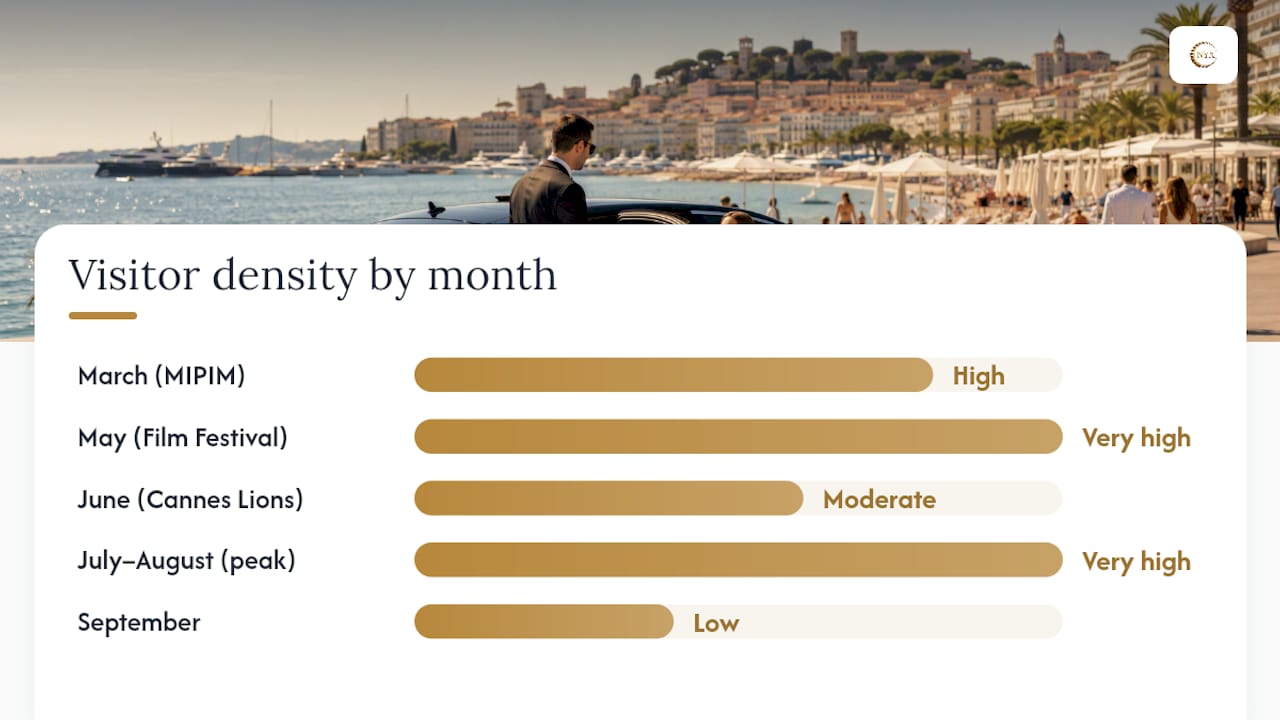
July and August remain the busiest purely leisure months, with beaches at their fullest between 11:00 and 16:00 on weekends. Arriving before 10:00 on any given day, even in peak season, generally secures a better choice of row before the lunchtime rush claims what remains. September offers close to the same weather with noticeably thinner crowds, and Cannes Lions in June brings another business-travel bump concentrated around specific hotel-adjacent beaches rather than the whole Croisette.
Weekday visits consistently beat weekends for space, and the hour after lunch service ends, typically from around 14:30 onwards, tends to see a natural lull before the evening aperitivo crowd arrives.
Do any beaches run sunset parties or live music?
Several Croisette venues extend their offering well beyond the standard sunbed and lunch format once the calendar turns towards summer evenings. La Mandala and So Beach are the two most consistently associated with evening entertainment, running DJ sets and sunset gatherings that draw a crowd distinct from their daytime sunbed clientele. Bijou Plage extends its own day into evening dining, with an aperitivo slot running from 17:00 to 19:00 ahead of dinner service until 22:30, and last reservations accepted at 22:30.
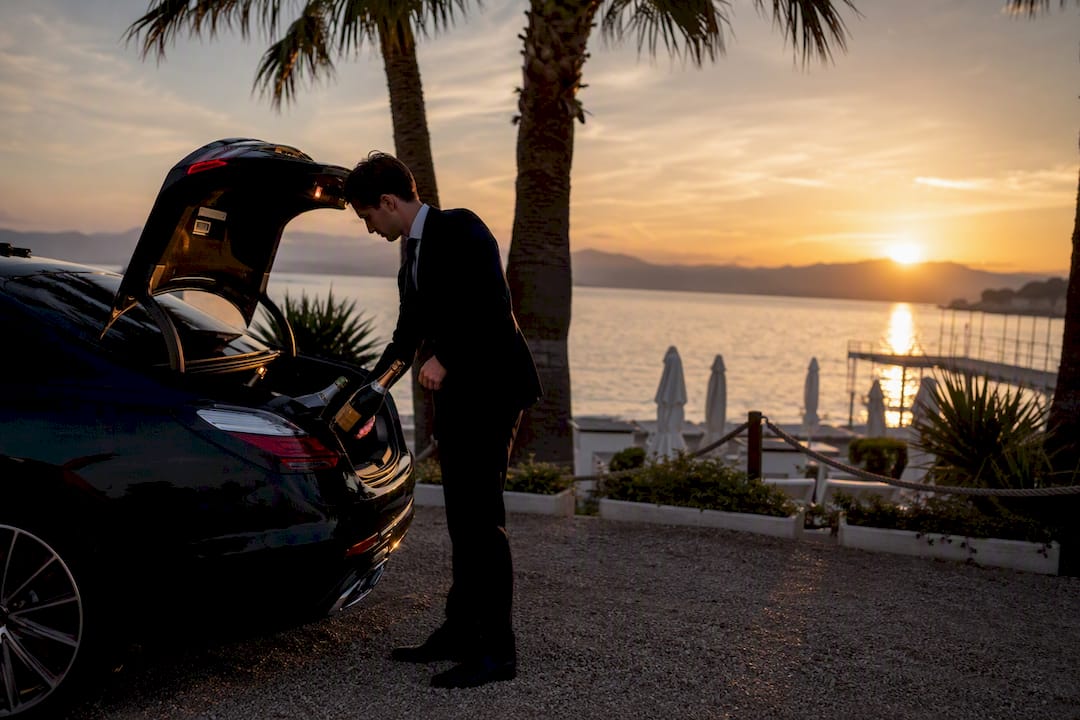
Larger concessions occasionally host branded events tied to the festival calendar, particularly during Cannes Lions and the Film Festival, when beaches double as venues for industry parties rather than purely public bookings. These events typically require a separate reservation from a standard day pass, and availability during festival weeks can close out entirely if a private brand event has taken over the venue for the evening.
Anyone hoping to combine a beach day with an evening event should confirm directly with the venue whether the daytime and evening offerings run as one continuous booking or two separate reservations, since this varies by beach and by season.
Every established Cannes private beach maintains its own booking channel, and going direct is usually faster than working through a third-party platform. Bijou Plage lists full contact details and an online reservation system on its official site, covering lunch, aperitivo and dinner slots. La Plage du Festival operates its own reservations page and, as one of the Croisette’s largest concessions, recommends booking ahead for anything during high season.
Ciro’s, as part of Le Majestic, runs its beach bookings through the Hôtels Barrière reservation system, which also covers its restaurant service. CBEACH publishes hours and contact details on its own venue page, while Rado Plage’s official site covers its Croisette pontoon and classic beach club service.
For venues without a dedicated online booking system, a phone call to the beach directly remains the standard route, and hotel concierge desks along the Croisette maintain relationships with most of the major concessions, which can occasionally unlock availability not shown publicly. Whichever channel you use, confirming the exact row, time and cancellation terms in writing, even by text or email, avoids disputes on arrival during a busy festival week.
Why the smartest beach plan starts with the journey, not the sunbed
Most guides to Cannes beaches treat the booking as the hard part and the arrival as an afterthought. That gets the priority backwards during any event week. A confirmed front-row reservation at La Plage du Festival is worth nothing if you are still stuck in traffic on the Boulevard Carnot when your slot opens, and Croisette parking during the Film Festival or MIPIM disappears faster than most sunbed inventory does.
The conventional advice, book early and hope for good traffic, ignores that traffic during these weeks is entirely predictable, not random. Every operator quoted here, from Bijou Plage to Ciro’s, expects congestion and plans reservation slots around it. Visitors rarely do the same with their own transport.
My honest read: fix your arrival method before you fix your beach choice, not after. Decide how you are getting there with the same certainty you apply to the sunbed booking, and the rest of the day sorts itself out far more easily than most guides suggest.
— Dany
Book your Cannes beach transfer with a fixed 2026 rate
Booking the beach is only half the plan. Transponyx handles the other half: a fixed-rate Mercedes-Benz chauffeur that gets you from Nice NCE, your hotel or Monaco to the Croisette without the parking search or the taxi-rank wait that eats into festival mornings.
The Nice NCE to Cannes run takes roughly 30 to 40 minutes outside peak congestion, and Transponyx quotes it as a fixed price confirmed at booking, with no surge pricing during the Film Festival, MIPIM or Cannes Lions. A couple heading to Bijou Plage travels comfortably in a Standard Sedan; a family of five with beach gear for a day at Ciro’s or La Plage du Festival generally fits a Van 7 pax; larger groups heading to a beachside industry event during MIPCOM can take a Van 8 pax. Every booking includes 60 minutes of free airport waiting time, flight monitoring, and a bilingual licensed driver, with child seats available on request.
Reserve as early as possible for festival dates through Transponyx’s Nice airport transfer page, by phone on +33 6 10 30 71 84, or by comparing options on the luxury chauffeur services guide before your next Cannes booking.
Sources
FAQ
What are the typical prices for private beaches in Cannes?
Prices vary by row and season, with front-row sunbeds costing noticeably more than second-row spots, and operators typically include a mattress, umbrella and towel in the base fee. Exact rates are set by each venue and are not published as a single fixed tariff across the Croisette.
How much does it cost to privatise a private beach?
Full-beach privatisation for events or shoots requires a separate negotiation with the venue and typically carries a minimum spend well above a standard day pass, with several weeks’ notice recommended in season.
How do I book a private beach in France?
Book directly through the venue’s own site or by phone, such as Bijou Plage’s online system or La Plage du Festival’s reservations page, or ask your hotel concierge, since many properties hold direct relationships with Croisette beaches.
What does a sunbed cost at a Cannes private beach like Bijou Plage?
Individual sunbed prices are set and updated by each venue rather than published as a single Croisette-wide figure; contact Bijou Plage directly for its current day-pass rate before booking.
Is it better to book a chauffeur than rely on taxis for beach access during festivals?
A pre-booked, fixed-rate chauffeur removes the two biggest festival-week risks, unpredictable traffic and vanished parking, which is why Transponyx confirms fares at booking with no surge pricing, unlike metered taxis competing for the same congested drop-off points.
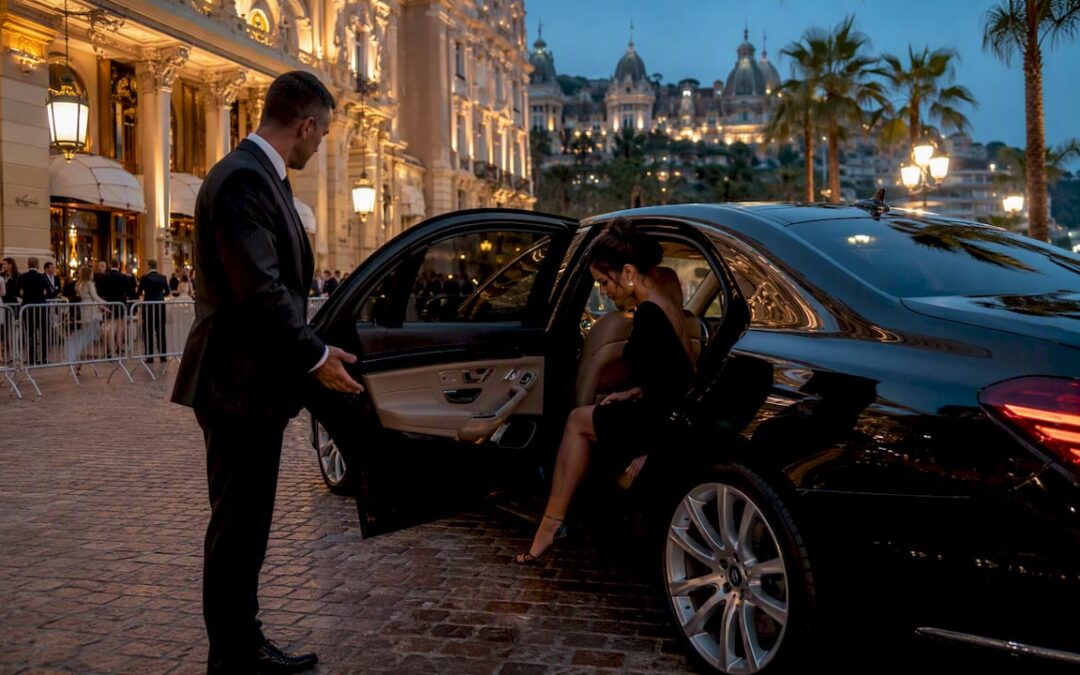
par Daniel AIT GOUGAM | Août 24, 2026 | news
Circulation restrictions in Monaco are scheduled and severe for named event dates in 2026, above all the Monaco Grand Prix (early June) and the Monaco Yacht Show (mid September). Outside those windows, ordinary traffic rules apply with only minor seasonal tweaks.
- Grand Prix build, race and dismantle: expect closures from late May through mid June, with the harbour circuit fully sealed on race days.
- Campervans and vehicles over 3.5 tonnes are banned from the principality on race weekend and often on Tour de France or La Vuelta passage days.
- CAM buses run free across the network during major event weeks.
- Check the official Grand Prix transport plan and Monaco’s permit pages before you travel.
What events cause circulation restrictions in Monaco?
Three recurring events reshape Monaco’s road network each year, and each follows a predictable rhythm once you know what to watch for.
- Monaco Grand Prix (early June): grandstand and barrier installation starts roughly three weeks beforehand, with the harbour perimeter progressively closing during the final period. Race days themselves bring dawn-to-dusk closures on the full circuit, and dismantling can take multiple days.
- Monaco Yacht Show (mid September): quaysides around Port Hercule close to general traffic for around a week either side of the show itself, governed by a dedicated Arrêté Ministériel that sets pedestrian corridors and vehicle prohibitions street by street.
- Tour de France or La Vuelta passages: when either race routes through the principality, expect a single-day ban on through traffic and campervans, confirmed only weeks ahead once the official stage route is published.
None of these dates move much year to year, but the exact hours do, so always check the current arrêté rather than assuming last year’s schedule repeats.
Which roads and vehicle types face Monaco traffic rules?
Grand Prix closures follow a well-worn pattern. The Sainte-Dévote tunnel, the Auréglia slip road, Avenue des Papalins, Quai des États-Unis and Quai Antoine Ier all close to general traffic during build and race phases. Several become one-way in reverse or temporary two-way to manage emergency and service access. Drivers unfamiliar with the principality often lose twenty minutes simply hunting for the diversion that replaces their usual route.
Vehicle-specific rules matter more than most visitors expect:
- Vehicles over a certain weight limit are typically barred from the circuit perimeter on race days.
- Campervans face an outright ban across race weekend under the Grand Prix transport plan; a vehicle the size of a long-wheelbase panel van conversion will not be permitted anywhere near the harbour that week.
- Vehicles not registered in Monaco sometimes face additional checks at perimeter access points, particularly during the Yacht Show’s regulated zones.
- Streets normally running one direction get reversed for the event, and roads that are one-way year round temporarily allow two-way flow to feed exit routes.
Pro Tip: Screenshot the current diversion map before you drive in. Mobile signal drops near the tunnels, and you will not have time to reload a page while queuing at a barrier.
Where can pedestrians walk during Monaco events?
Harbour-front pavements and the circuit’s inner perimeter close to general pedestrians during build, race and dismantle phases, not only on the headline race days. Anyone walking to a hotel, restaurant or meeting near Port Hercule during Grand Prix week should expect a longer, signposted route around the barriers rather than a straight line along the quay.
Ticket holders and accredited personnel move through the closed zones on authorised routes, with passes issued directly by the event organiser or Monaco police rather than sold generally. The same applies during the Yacht Show, where the Arrêté Ministériel defines specific pedestrian corridor widths and reserved crossing points along the quays.
- Reduced-mobility visitors should confirm accessible crossing points in advance; several standard pedestrian bridges close entirely during build phases.
- If you rely on walking to reach a taxi rank or meeting point, build in an extra fifteen to twenty minutes near event perimeters.
- Hotel concierge teams usually hold the most current pedestrian access maps, often more current than what is published online.
Where does parking disappear during Monaco events?
Parking suspensions cluster tightly around the harbour. Darse Sud, Quai Louis II, jetée Lucciana and the Pierre froide areas around Port Hercule all lose their normal parking allocation for the duration of build, event and dismantle phases, and enforcement starts earlier than most visitors expect.
Several Monaco ON charging points inside the harbour perimeter go offline for the same period, since event transport plans routinely take EV infrastructure out of service within the closed zone, sometimes for a week or more either side of the event itself. Anyone driving an electric vehicle to Monaco during Grand Prix week should plan to charge outside the restricted perimeter, not within it.
- Suspended parking: Darse Sud, Quai Louis II, jetée Lucciana, Pierre froide sector.
- EV chargers affected: multiple Monaco ON stations inside the harbour perimeter, offline across the build and dismantle window.
- Residents and blue badge holders displaced by suspensions should contact the local police station in advance; some exceptions are granted case by case rather than automatically.
How does public transport change in Monaco during events?
The Prince’s Government routinely makes CAM bus travel free across the entire network during Grand Prix week, a deliberate move to pull cars off roads that are already narrowed by barriers. Routes divert around closed sections and extra services often run to cover demand that would otherwise queue for taxis.
Zou! intercity coaches connecting Monaco to Nice and Menton also see route restrictions during build and race phases, particularly where their normal stops sit inside the closed perimeter.
- Free CAM travel typically covers the entire event week, not just race day itself.
- Diverted routes are published shortly before the event; check the network’s live updates rather than a printed timetable.
- Shuttle services and scheduled transfers fill gaps where regular buses cannot reach, though seats fill fast on race mornings.
- A pre-booked private transfer with a fixed pickup time avoids the queuing that affects both taxis and shuttles on the busiest event days.
How do you get a permit for restricted zones in Monaco?
Two separate permits cover most access needs, and neither is complicated once you know which one applies.
- Macaron d’accès à Monaco-Ville: residents and those with a genuine need to drive into the old town apply with proof of residence or business address. When the file is complete, the permit is issued on the spot at the salle de garde of the Direction de la Sûreté Publique, and it remains valid for a year.
- CIGM authorisation for semi-pedestrian zones: anyone needing vehicle access to a regulated pedestrian area must submit the published form to the Centre Intégré de Gestion de la Mobilité at least five days ahead, via [email protected].
- Deliveries, medical visits and professional access: these follow the same CIGM route but often need supporting documents (medical appointment letters, delivery manifests), so allow more than the minimum five days during event weeks when processing slows.
How do event restrictions affect private transfers in Monaco?
A fixed-rate, pre-booked transfer can reduce uncertainty from event-week closures. Transponyx runs its 2026 rates on a per-vehicle, confirmed-at-booking basis across the Standard Sedan, Business Sedan, Van 7 pax and Van 8 pax categories, with bilingual licensed drivers who know exactly where the current perimeter sits.
During Grand Prix week, journeys between Nice Côte d’Azur Airport and Monaco that normally take 35 to 40 minutes can stretch to over an hour once diversions around Sainte-Dévote and the harbour quays kick in. Transponyx drivers build that buffer into pickup timing automatically and monitor incoming flights so a delayed arrival never means a missed handover. For readers arranging travel around the Grand Prix transport plan, calling +33 6 10 30 71 84 ahead of the event secures a staging point outside the closed perimeter.

Do Monaco’s seasonal traffic rules apply outside major events?
Monaco does not run a low-emission zone or a congestion charge comparable to those found in larger European cities, and there is no daily toll for entering the principality by car. Day-to-day circulation restrictions outside event weeks are limited and mostly concern speed limits, which are lower on several stretches than equivalent French roads, and a general note from French diplomatic guidance that Monaco’s rules differ from France’s in specific respects even though both use the same currency and open border.
Where restrictions do bite year round is parking. Monaco’s paid parking system covers most street spaces and multi-storey car parks, and enforcement is consistent rather than seasonal. Some residential streets near Monaco-Ville require the macaron described earlier, and that requirement doesn’t relax outside event periods.
Summer brings a second layer worth noting: increased pedestrian volume along the harbour and Larvotto beach frontage during July and August leads police to informally tighten enforcement on double-parking and loading, even without a published arrêté. It’s a practical reality rather than a formal rule change, but it catches out visitors who assume quieter roads mean relaxed enforcement.
For anyone driving into Monaco from Nice, Cannes or the Italian border, the absence of a formal environmental zone is good news, but it doesn’t mean circulation is unregulated. Monaco’s compact street grid and near-constant construction activity around Fontvieille and the harbour mean short-term lane closures happen throughout the year, independent of any major event calendar.
Where can you check live traffic updates for Monaco?
The most reliable source remains the government’s own transport notices, published in English and French on monservicepublic.gouv.mc ahead of each major event, with precise closure times updated as the build phase progresses. These notices are far more current than most third-party travel guides, which tend to repeat the previous year’s schedule.
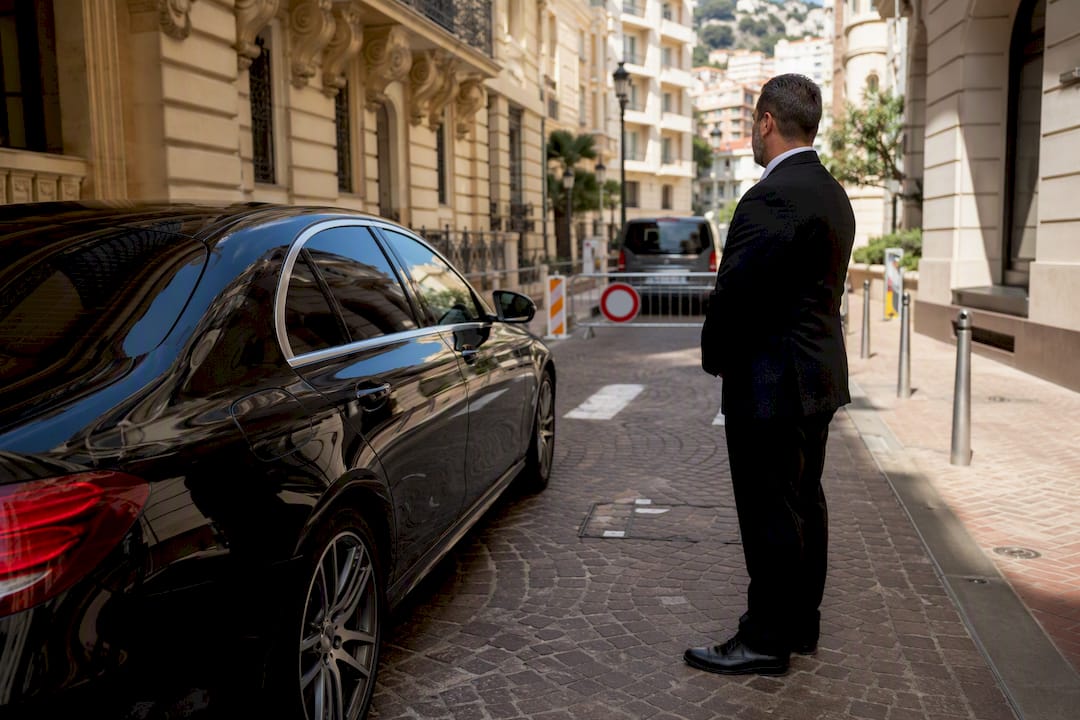
For legal texts underpinning any restriction, including full arrêtés with street-by-street detail, the Journal de Monaco publishes the original order, and France’s own legal repository, Legifrance, hosts related cross-border administrative guidance where relevant.
Local radio remains a genuinely useful tool during event weeks. Riviera Radio broadcasts in English and covers live traffic disruption around the principality, often faster than official social media updates during fast-moving situations like sudden road closures for security sweeps.
For day-to-day navigation, mainstream mapping apps such as Google Maps and Waze pick up Monaco’s temporary closures reasonably quickly once local authorities feed the data through, though there is sometimes a lag of an hour or two during the first day of a new closure. Drivers heading in from Nice or Cannes during event week should treat any app-suggested route through the harbour with caution and cross-check it against the official transport plan before committing.
Hotel concierge desks in Monaco and neighbouring Menton and Beausoleil often hold more current information than any app, since many are briefed directly by event organisers.
Can emergency vehicles reach Monaco during restrictions?
Emergency access is built into every official transport plan rather than treated as an afterthought. Fire, ambulance and police vehicles retain designated corridors through closed perimeters during the Grand Prix and Yacht Show, and these corridors are marked and enforced separately from the general traffic diversions affecting private cars.
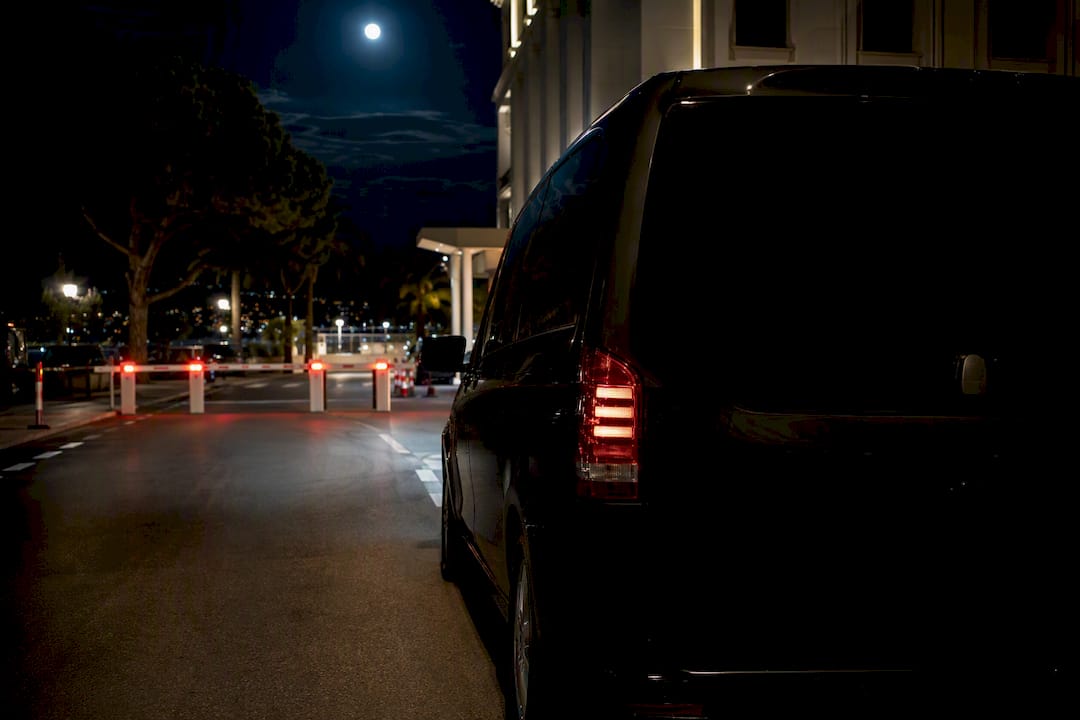
Outside major events, Monaco’s compact geography means emergency response times remain short even where a street is closed for construction or a temporary event, since the principality’s small footprint gives responders multiple alternative approaches. The same doesn’t fully apply during the most intensive Grand Prix build days, when barrier installation genuinely narrows some approach roads, so residents in the immediate harbour area are sometimes advised to keep a phone number for the local police station handy during that specific week.
Medical appointments and deliveries requiring vehicle access to a restricted zone follow the CIGM authorisation route described earlier, and applicants citing a genuine medical need are generally processed with more flexibility on the standard five-day notice period, though this isn’t guaranteed and depends on the specifics of the request.
A practical note on last-minute plans
Every event week, someone assumes they’ll simply drive to their hotel and sort parking on arrival. It rarely works out that way once the barriers are up and the one-way system reverses without warning. The single habit that prevents most disruption is booking a fixed transfer or building in a genuinely generous buffer, rather than trusting the same route that worked the week before. Readers wanting guaranteed access can arrange this through Transponyx’s booking page.
Getting through Monaco’s restrictions without the guesswork
Transponyx is the practical alternative to arriving in Monaco unsure which quay is closed or where the diversion leads. The fleet runs across four categories, Standard Sedan, Business Sedan, Van 7 pax and Van 8 pax, all Mercedes-Benz, all booked at fixed 2026 rates confirmed before you travel, with no surge pricing when event demand spikes.
On Grand Prix and Yacht Show days, that predictability matters more than usual. Drivers stage vehicles outside the restricted perimeter, monitor incoming flights automatically on every airport transfer, and liaise directly with permit checkpoints so passengers aren’t left explaining themselves at a barrier. Every driver is bilingual in English and French at minimum, and the service runs 24 hours a day, seven days a week, with 60 minutes’ free waiting time on airport pickups.
Compare the options at the luxury chauffeur services overview or call +33 6 10 30 71 84 to confirm a fixed-rate transfer for your event dates before the roads close around you.
Sources
FAQ
Does Monaco have different traffic laws to France?
Yes. Monaco sets its own speed limits, parking rules and event-specific arrêtés independently of France, even though the two countries share an open border and the euro.
Can I enter Monaco with my car during a major event?
Usually yes outside the immediate closed perimeter, but vehicles over 3.5 tonnes and campervans face outright bans during Grand Prix race weekend, and the exact perimeter shifts daily during build and dismantle phases.
Are Monaco citizens also French citizens?
No. Monaco nationality is distinct from French nationality, and most Monaco residents are actually French, Italian or other foreign nationals rather than Monégasque citizens.
Can you travel freely between Monaco and France?
Yes, the border is open with no routine checks, though French government travel guidance notes that Monaco’s specific traffic and parking rules still apply once you cross into the principality.
What is the fastest way to avoid Monaco’s event-week traffic disruption?
Pre-booking a fixed-rate private transfer, such as those run by Transponyx, avoids the diversions and parking suspensions that catch out drivers relying on their usual route into Monaco.
par Daniel AIT GOUGAM | Août 23, 2026 | news
The Standard Sedan and Business Sedan reach most single-lane villa approaches without difficulty, provided the lane holds a width of roughly 2.4 metres or more. The Van 7 pax and Van 8 pax handle groups and luggage well but need wider turning space, so they can struggle on the hairpin lanes common above Saint-Jean-Cap-Ferrat or in the hills behind Menton. When a driveway is genuinely too narrow, the fix is rarely complicated: a kerbside meeting point, an authorised loading bay, a short assisted walk with luggage carried the last stretch. In Saint-Tropez, occasionally a dock handover.
The single most useful thing a traveller, concierge or hotel can do before arrival is send Transponyx the full address, GPS pin, gate code and a photo of the approach. That step, more than any vehicle choice, determines whether the transfer runs smoothly.
- Standard Sedan / Business Sedan: best default for single-lane villas, tight gates, formal entrances
- Van 7 pax / Van 8 pax: needed for groups or heavy luggage, but flag narrow lanes in advance
- No drive access: kerbside pickup, loading bay, short walk, or dock transfer near the coast
Access snapshot: most narrow-lane villa transfers on the Riviera need only 5 to 20 extra minutes once the vehicle and meeting point are matched correctly in advance, according to Riviera peak-season transfer guidance.
Which vehicle suits a narrow villa approach?
Lane width, not engine size, decides which car gets to the gate. A Standard Sedan or Business Sedan measures close to the width of an ordinary family car, which lets it clear the stone walls, blind bends and single-track sections typical of hillside villas above Villefranche-sur-Mer or Eze. A van, by contrast, needs meaningfully more room to complete a three-point turn or reverse into a gateway, and that extra metre or so of swept width is exactly what a switchback lane will not give it.
Transponyx runs private driver services across the French Riviera using a fleet built entirely around this trade-off.
Standard Sedan and Business Sedan (up to 3 passengers each) suit the majority of villa transfers where the lane is genuinely single-track or the entrance sits behind a tight stone gateway. The Business Sedan adds a premium finish for clients who want the same manoeuvrability with a more formal arrival, useful for a business trip into Cannes or a discreet drop at a private estate near Antibes.
Van 7 pax and Van 8 pax solve a different problem: family groups, wedding parties, or anyone travelling with ski bags or extra luggage from Isola 2000. Editorial guidance on Riviera transfers is consistent on this point: a business van suits families and larger luggage loads, but the same source warns against sending a full-size van up a single-track hill lane where it becomes, in practical terms, a liability rather than an asset, as Riviera peak-season transfer guidance notes.
A workable rule of thumb: if the lane measures under roughly a certain narrow width, book a Sedan. If the group size or luggage genuinely needs a van and the lane is tight, stage a luggage transfer at a wider point, or agree a drop location with the property manager before booking.
Pro Tip: Ask the villa manager for the width of the tightest point on the approach, not the average width. One narrow pinch point near the gate is what stops a van, even if the rest of the lane is comfortable.
Where should the driver meet you if the gate is unreachable?
- Nearest public parking bay or lay-by. The most common fallback for hillside villas, usually adding only a five-minute walk with luggage carried by hand or trolley.
- Villa manager or concierge door. Many properties have a staffed side entrance that the driver can reach even when the main gate cannot take a car; confirm this point by name before the transfer, not on arrival.
- Authorised loading bay. Common in denser villages such as the old town areas near Antibes or Menton, where municipal loading zones allow a brief stop for luggage handling.
- Airport kerb at Nice NCE. For guests connecting straight to a villa transfer, this remains the standard, unproblematic starting point regardless of how narrow the destination lane is.
- Port or dock handover in Saint-Tropez. During peak season, the D559 approach into the peninsula becomes so congested that a boat transfer to a quayside point can genuinely outpace a car, a pattern local coverage of Saint-Tropez summer congestion documents in detail.
Licensed operators with municipal authorisation can secure drop-offs in Saint-Tropez that generic transfer bookings simply cannot access, a point FFGR Monaco’s Saint-Tropez guidance makes explicitly. Whichever point you choose, ask the property for written confirmation and a photo of the gate itself, not just a description. A photo settles disputes about width and surface before the driver is halfway up the hill.
Extra time depends on how far the vehicle has to stop short of the door, and how much help is needed once it does. A short walk with hand luggage typically adds a few minutes more. A gated approach that needs a call to property staff to open a barrier or unlock a side gate usually adds some additional time. Complex cases, an authorised access permit, a staged luggage transfer, or a dock handover in Saint-Tropez, can add substantially more time once waiting and coordination are included.
| Scenario |
Typical extra time |
Example location |
| Short walk, hand luggage |
a few minutes |
Hillside villa, Villefranche-sur-Mer |
| Gated approach, staff assistance needed |
extra time added |
Private estate, Antibes or Menton |
| Authorised access or dock transfer |
significantly more time |
Saint-Tropez peninsula, peak season |
Peak events multiply these figures sharply. During the Cannes Film Festival, MIPIM or the Monaco Grand Prix, road closures and diversions around Monaco and Cannes can turn a normal 35-minute transfer from Nice NCE into well over an hour, so event-driven transport scarcity is worth building into any booking made for those weeks. For Saint-Tropez in July and August, operators recommend booking at least three weeks ahead and arranging any municipal or venue authorisation in advance, according to FFGR Monaco, because the peninsula’s single main approach leaves almost no fallback route.
The buffer that saves the transfer: 60 minutes of free waiting time on every Transponyx airport pickup, with flight monitoring included as standard, absorbs most of the delay that narrow-lane access adds. Fixed 2026 per-vehicle rates mean none of that extra handling time triggers a surcharge.
What to send the driver before you arrive
Send this before booking confirmation, not on the day:
- Full postal address and a GPS pin, since some villa entrances sit some distance from the address a satnav returns
- Gate code or intercom instructions
- Preferred unloading spot, if the villa manager has already identified one
- Photos of the approach lane and the gate itself
- Direct contact for the property manager or housekeeper
Confirm these details 24 to 48 hours before arrival:
- Flight or train number, so flight monitoring can track any delay automatically
- Expected arrival time and number of guests travelling
- Luggage volume, plus any child seat or accessibility requirement
- Agreed waiting point if the driver cannot reach the gate
- A backup contact number for the day itself, in case plans shift
This checklist mirrors what serious Riviera operators ask for as standard practice, confirmed by editorial guidance on villa transfer logistics: exact address, access notes and a clear answer on where the car will actually stop.
Keeping the handoff smooth when the lane gets tight
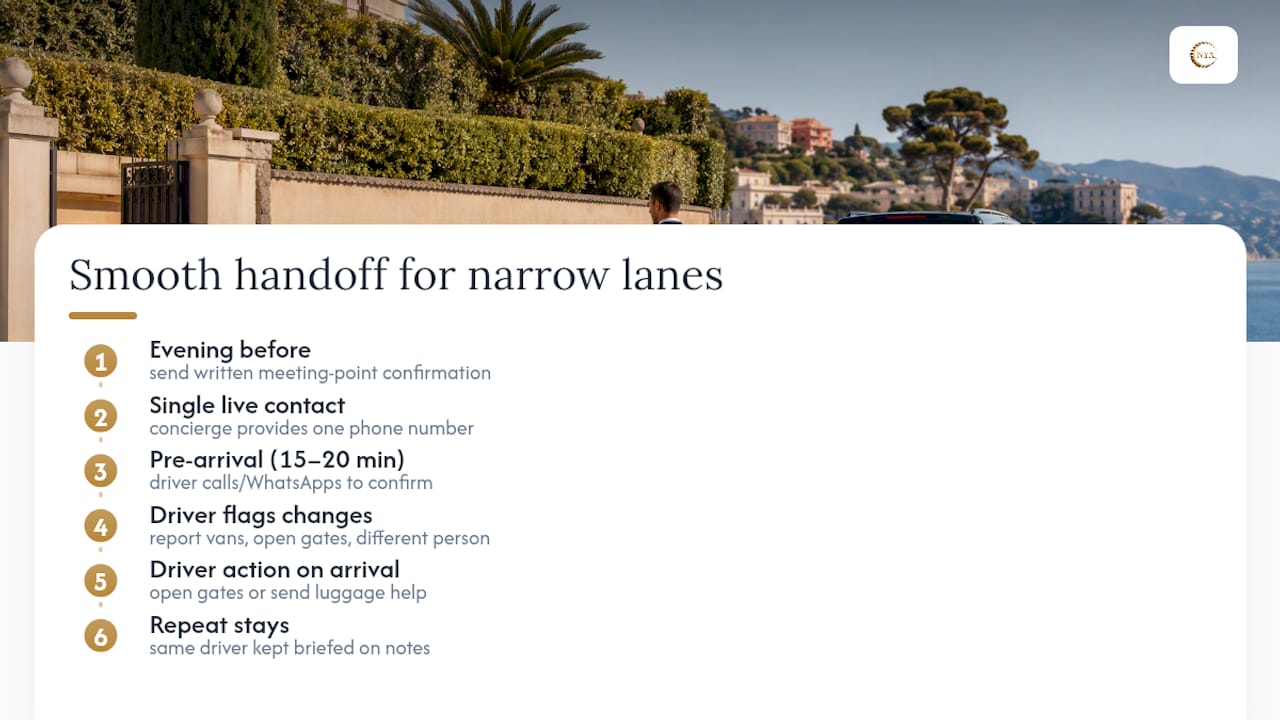
Good communication on the day matters more than any app or tracking link. The most reliable pattern is a short call or WhatsApp message from the driver roughly 15 to 20 minutes before arrival, confirming the exact meeting point agreed at booking and flagging anything that has changed, a delivery van blocking the lane, a gate left open, a different family member waiting outside.
For groups arriving from Nice NCE, this matters most in the final stretch: the driver knows the flight has landed through flight monitoring, but a second message once the vehicle is close to the villa lets property staff open gates or send someone down to help with luggage. Transponyx drivers, all licensed VTC professionals and bilingual in English and French at minimum, are trained to make that call directly rather than leaving it to the guest to chase.
Concierges and hotels booking on a guest’s behalf should ask for a single point of contact number that stays live throughout the transfer, not a booking reference passed between departments. Transponyx supports villa guest logistics through a dedicated villa rental service, which keeps the same driver briefed on access notes for repeat stays rather than starting from scratch each time. Written confirmation of the meeting point, sent the evening before rather than assumed, removes almost all of the friction that narrow-lane transfers otherwise create on the day.
Safety habits that matter on narrow Riviera lanes
Speed is rarely the risk on these roads; visibility and judgement are. A lane that hugs a stone wall on one side and a drop on the other rewards a driver who knows exactly where the passing points are, and that knowledge tends to come from repetition rather than satnav guidance. Local driving knowledge of market days, back roads and short-cuts routinely saves more time than any difference in vehicle spec, as Riviera transfer guidance points out.
Luggage handling deserves the same care as the driving. On a steep or uneven approach, wheeled cases can tip or roll, so a driver carrying bags the final stretch on foot is safer, and faster, than trying to manoeuvre a case over gravel or cobbles. Passengers stepping out on a narrow lane should always exit on the wall side rather than the drop side where the road allows it, and children should be moved out of the vehicle first if the stop is on a bend with limited sightlines.
Night arrivals raise the stakes further: unlit gates and unmarked verges are common outside villages near Grasse or in the hills above Cannes. A driver who has made the same run before, rather than one navigating purely by GPS, tends to spot a hazard before it becomes a problem.
Author perspective: local knowledge decides the outcome
Guests flying into Nice NCE and heading straight to a villa above Cannes during festival week rarely appreciate how much depends on the driver’s memory of that specific lane, not the satnav. The three things that actually determine a calm arrival: matching the vehicle to the lane, sending full access details before booking, and building in a time buffer rather than assuming a straight run. Transponyx builds its fleet and its booking process around exactly that discipline, with fixed 2026 rates and drivers reachable directly on +33 6 10 30 71 84.
Booking the right vehicle for your villa in 2026
Transponyx is the practical fix for narrow-lane villa access on the Riviera: instead of guessing which car will fit, you tell us the lane and we send the right one. The fleet covers every scenario this article has described, Standard Sedan and Business Sedan for tight single-lane approaches, Van 7 pax and Van 8 pax for groups and luggage where the lane allows it, alongside private guided tours and dedicated villa guest services for repeat stays.
Every booking comes with a licensed, bilingual VTC driver, flight monitoring on airport pickups, and fixed 2026 per-vehicle rates with no surge pricing, whatever the Cannes Film Festival or Monaco Grand Prix does to local traffic. The service runs 24 hours a day, so a late change to a gate code or arrival time never has to wait until morning.
Send your villa’s address, gate code and an approach photo when you book through the Nice airport transfer page, or call +33 6 10 30 71 84 to talk through the lane before you commit to a vehicle. That single step is what turns a narrow-road villa transfer from a guessing game into a fixed, confirmed arrival.
Sources
FAQ
Can a Van 8 pax reach any villa on the Riviera?
Not always. Vans need more turning space than a lane under roughly 2.4 metres wide allows, so tight hillside approaches often call for a Standard Sedan or Business Sedan instead, with luggage staged if needed.
What happens if the driveway is too narrow for any vehicle?
The driver meets you at the nearest safe point, a kerbside bay, an authorised loading zone, or the villa’s side entrance, and luggage is carried the final stretch on foot.
Extra time varies: a few minutes for a short walk, more when property staff need to open a gate, and significantly more for authorised access or a Saint-Tropez dock transfer.
No. Transponyx applies fixed 2026 per-vehicle rates with no surge pricing, and includes 60 minutes of free waiting time on airport pickups and 20 minutes elsewhere.
What should I send the chauffeur before arrival?
Send the full address, GPS pin, gate code, a photo of the approach and gate, and the property manager’s contact number, ideally at booking rather than on the day.

par Daniel AIT GOUGAM | Août 22, 2026 | news
An excursion to the Gorges du Verdon breaks down into four practical approaches: a scenic drive along the clifftop lookouts, a hiking descent into the canyon itself, a paddle or raft on the water below, and paragliding for those who want the view from above. Most visitors from the Riviera choose either a half-day scenic loop or a full day combining a short walk with time on Lake Sainte-Croix. Families and photographers tend towards the drive and lookout route; hikers and sportier travellers head for the trails and the river.
Driving across the gorges from end to end takes roughly 1 hour 30 minutes, which sets the pace for any day trip. For travellers based on the coast, the fastest route to securing a seat is a fixed-rate private transfer with TranspOnyx: call +33 6 10 30 71 84, quote a 2026 rate on the vehicle class you need, and the itinerary is locked in before you leave the hotel.
- Scenic drive and lookouts: half-day, suits families and photographers
- Hiking trails: half to full day, suits fitter walkers
- Water activities: half to full day, suits groups wanting an adrenaline element
- Paragliding: short flights, suits thrill seekers with time for one activity only
What activities does the Gorges du Verdon offer?
The canyon rewards different types of traveller in different ways. Drivers get the Route des Crêtes and a string of clifftop lookouts without leaving the car for long. Walkers get direct access to the canyon floor via marked trails. Paddlers get flat lake water at Sainte-Croix or a proper river run further down, and operators across the region list rafting, canyoning, canoeing, aquatic hiking and paddleboarding as core products, each with its own minimum age and skill level. Paragliding operates seasonally from a handful of launch sites above the canyon.

Water activities are strongly seasonal. Most rafting and canyoning outfits run from late spring to early autumn, and operators can suspend river trips at short notice if flow rates spike after rain. Lake activities on Sainte-Croix run for longer in the calendar but still close in high wind.
Where do excursions start and how do you get there?
Four villages anchor almost every excursion: La Palud-sur-Verdon and Rougon, the two main start points for hikers heading into the canyon; Castellane, the eastern gateway and a common base for rafting operators; and Moustiers-Sainte-Marie, the western village most linked to lake activities and a lunch stop.
From the coast, a private transfer covers real distance. Travel time from Nice NCE to Moustiers-Sainte-Marie by road is approximately two and a half hours; Cannes and Monaco add modest extra time depending on traffic through the Var. That single transfer number matters more than any other planning figure, because it defines whether a day trip is realistic at all.
- La Palud-sur-Verdon: Blanc-Martel trailhead, shuttle departures
- Rougon: alternative hike starting point, quieter than La Palud
- Castellane: rafting and canyoning base
- Moustiers-Sainte-Marie: lake access, restaurants, village visit
Parking fills early at Point Sublime in July and August, and the La Palud shuttle for the Blanc-Martel trail runs limited departures at peak season. Arriving before 9am avoids most of the congestion; arriving by private car with a driver who already knows the parking pattern avoids it entirely.
Which hiking trails suit different fitness levels?
Sentier Blanc-Martel is the signature route: roughly 14 kilometres one way, typically 6 to 7 hours, starting near the Chalet de la Maline and finishing at Point Sublime, with genuine elevation change and two tunnels underfoot. It demands sturdy boots, at least 1.5 litres of water and a booked shuttle back to your starting car, since the trail is one-way.

L’Imbut branches off Blanc-Martel and adds a scramble along the riverbed with chains and ladders in places, pushing total time closer to 9 hours for the full loop. It suits confident, fit hikers only.
For families, several short discovery paths near La Palud and Rougon run 45 minutes to 2 hours with modest elevation gain, offering canyon views without the commitment.
- Blanc-Martel: ~14km, 6–7 hours, moderate to hard
- L’Imbut: full loop up to 9 hours, hard, technical scrambling
- Short family trails: 45 minutes–2 hours, easy, near La Palud/Rougon
How do kayaking, rafting and boat trips on the Verdon work?
Water activities split cleanly into calm and adrenaline categories. On Lake Sainte-Croix and around Castillon, pedal boats, electric boats and swimming areas suit anyone, including young children, and are typically rented by the hour with no booking required in low season. Further upriver, in the lower gorges near Castellane, guided rafting and canyoning trips involve a qualified instructor, a wetsuit, a helmet and, for canyoning, a harness for abseiling sections.
Operators generally set the minimum age for family-friendly rafting or aquatic hiking at six years old, while canyoning routes with abseiling usually require a higher minimum age and a reasonable level of swimming confidence. Aquatic hiking is pitched as the gentler alternative, since it skips the ropework that canyoning demands.
| Water activity |
Location |
Typical price |
Minimum age |
| Pedal / electric boat |
Lake Sainte-Croix, Castillon |
moderate hourly rental fees |
None (supervised) |
| Guided canoe/kayak |
Lake and calmer sections |
moderate per person fees |
6+ |
| Rafting |
Lower gorges near Castellane |
moderate per person fees |
6–8+ |
| Canyoning |
Lower gorges, technical sections |
moderate per person fees |
10–12+ |
Wind can shut down paddling on the open lake with little warning, and river flow after storms can suspend rafting for a day or more. Booking ahead secures a slot, but flexibility around the exact hour still pays off.
Which viewpoints and driving routes show the best scenery?
The classic sequence starts at Point Sublime, moves along the Route des Crêtes loop above La Palud, then continues to the Corniche Sublime on the southern rim and finishes at the Balcons de la Mescla, where the Verdon meets the Artuby gorge far below.
- Point Sublime (north rim, near Rougon)
- Route des Crêtes loop (clifftop viewpoints near La Palud)
- Corniche Sublime (D71, south rim)
- Balcons de la Mescla (confluence viewpoint)
The left bank (D952) passes through La Palud and Rougon; the right bank (D71/D19) runs via Comps-sur-Artuby and Trigance. Both are single-lane in places with limited overtaking, so a mid-morning start beats the midday coach convoy, and each of the four lookouts rewards ten minutes on foot away from the car park.
How much time do you need for a Verdon day trip?
A half-day covers the drive and one stop comfortably. A full day allows a walk or water activity plus lunch in a village. Small-group excursions from Nice commonly run 10 to 12 hours door to door, which reflects the round-trip distance more than the activity itself.
Half-day itinerary: 8am pickup from Nice or Cannes, arrive Moustiers-Sainte-Marie by 10:30am, an hour at a lookout and the village, lunch, return by 4pm.
Full-day itinerary: 7:30am pickup, arrive La Palud by 10am, a 3-hour partial hike or two hours on the lake, village lunch at Moustiers, afternoon drive along the Corniche Sublime, back on the coast by 7:30pm.
| Block |
Half-day |
Full-day |
| Travel (outbound) |
approximately two and a half hours |
approximately two and a half hours |
| Activity |
1–1.5 hours |
3–4 hours |
| Lunch |
45 minutes |
1 hour |
| Travel (return) |
approximately two and a half hours |
approximately two and a half hours |
| Buffer |
30 minutes |
1 hour |
What safety steps and gear does each excursion need?
Summer is the main window for water activities and the busiest period for crowds at every car park and viewpoint; late spring and early autumn offer quieter trails with most facilities still open. Wind can close paragliding and lake paddling within the hour, and heavy rain upstream can suspend rafting.
Pack accordingly: proper boots and 1.5 litres of water minimum for Blanc-Martel or l’Imbut, sun protection for exposed lookouts, a swimsuit for lake activities and a wetsuit (usually supplied) for canyoning.
Always check trail and left-bank access on the morning of departure. Official reopening notices and webcams from Lacs et Gorges du Verdon catch closures that guidebooks miss, and operators publish their own age and fitness limits alongside their booking pages.
- Boots and layered clothing for hikes
- High-factor sun protection at every lookout
- Swimwear for lake stops, wetsuit supplied for canyoning
- Confirm shuttle running times before setting out
Book a private guided excursion with Onyx Tours
There is real value in one supplier handling the whole day rather than juggling a coach timetable and a separate activity booking. Onyx Tours, the excursion brand run by TranspOnyx, builds private guided transfers into the Gorges du Verdon from Nice NCE, Cannes, Monaco and other Riviera hubs, timed around whichever hike, paddle or drive you have planned.
The fleet runs to four classes: the Standard Sedan for up to three passengers on a straightforward transfer, the Business Sedan for couples or business travellers wanting a premium finish, and the Van 7 pax or Van 8 pax for families and small groups who want to travel together with luggage and hiking kit stowed properly. Every vehicle carries Wi-Fi, air conditioning, chilled water and phone chargers, with child seats available on request. All journeys run on fixed 2026 rates per vehicle, agreed at booking, so a full-day Verdon excursion costs the same whether the Route des Crêtes is quiet or the coast road out of Cannes is choked with Cannes Film Festival or Monaco Grand Prix traffic. Drivers are bilingual VTC professionals who know the parking patterns at Point Sublime and the shuttle timing at La Palud, which removes the two biggest sources of wasted time on a Verdon day.
To reserve a vehicle class for a Gorges du Verdon excursion, call +33 6 10 30 71 84 or book through Transponyx, available 24 hours a day, seven days a week.
Why a private chauffeur matters when time is limited
Time is the one resource a day trip cannot buy back. A private chauffeur who already knows which car park fills first and how long the D71 takes at 10am saves the hour that a coach itinerary or a rental car spends guessing. That matters even more during Cannes Film Festival or the Monaco Grand Prix, when coastal traffic swells and a fixed 2026 rate protects the budget regardless of delays. For readers who want one supplier managing transfers, timing and local knowledge in a single booking, TranspOnyx is the sensible route.
Where to check before you travel
Confirm shuttle and trail status directly with Lacs et Gorges du Verdon tourism, which publishes seasonal notices and webcams. For operator-specific questions, activity age limits and equipment lists, check the booking page of the rafting, canyoning or paddling provider directly, since limits vary by route. For authentic local guiding context beyond the transfer itself, a knowledgeable guide adds real value to a first visit.
- Lacs et Gorges du Verdon: closures, webcams, seasonal notices
- Individual operator pages: age limits, equipment, sport levels
- La Palud shuttle office: Blanc-Martel departure times
Sources
FAQ
What is the best time to visit the Gorges du Verdon?
Late spring and early autumn offer quieter trails and open facilities, while summer is the main season for water activities but brings the heaviest crowds at car parks and lookouts.
What is the most beautiful spot in the Gorges du Verdon?
The Balcons de la Mescla, where the Verdon meets the Artuby gorge, and Point Sublime near Rougon are widely considered the two standout viewpoints along the Route des Crêtes.
Where should I start a visit to the Gorges du Verdon?
Most visitors start at either La Palud-sur-Verdon or Rougon for hiking, or Moustiers-Sainte-Marie for lake activities and a village visit; a private transfer from Nice, Cannes or Monaco can route directly to whichever suits your plan.
How can I tour the Gorges du Verdon in a day?
A full day combining a private transfer, a short hike or lake activity and a village lunch is realistic within a 10 to 12 hour window from the Riviera, and booking a fixed-rate vehicle with TranspOnyx removes the transfer planning entirely.

par Daniel AIT GOUGAM | Août 21, 2026 | news
Oui, vous pouvez annuler un transfert privé, et dans la grande majorité des cas, l’annulation est gratuite jusqu’à 24 heures avant la prise en charge. Passé ce délai, les prestataires appliquent généralement des frais proportionnels au temps restant avant le départ, allant d’un remboursement partiel à une facturation intégrale de la course.
Si vous devez annuler dès maintenant, deux gestes comptent avant tout le reste :
- Appelez ou écrivez au prestataire en indiquant votre référence de réservation et l’heure prévue du transfert.
- Conservez votre e-billet de confirmation : c’est votre seule preuve en cas de litige sur le remboursement.
Chez Transponyx, aucune réservation n’est considérée comme annulée tant qu’une confirmation écrite n’a pas été envoyée par nos équipes. Pour joindre le service client, composez le +33 6 10 30 71 84 ou consultez les modalités directement sur Transponyx.
Ce que prévoient réellement les conditions d’annulation d’un transfert privé
Les grilles tarifaires des transferts privés reposent presque toutes sur le même principe : plus vous annulez tôt, plus vous récupérez d’argent. Holiday Extras affiche une annulation gratuite jusqu’à 24 heures avant le transfert, un seuil devenu la référence affichée par la plupart des agrégateurs.
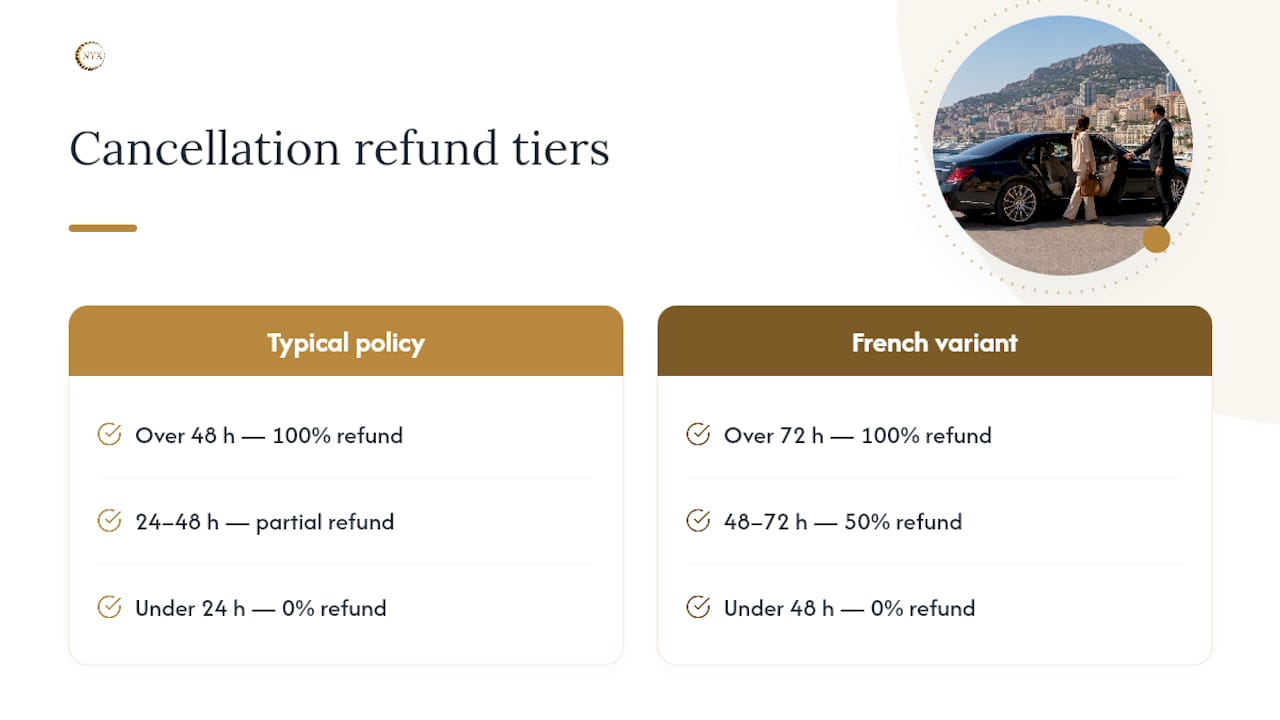
Mais ce chiffre de 24 heures cache une réalité plus nuancée. My Private Transfers décrit un modèle par paliers largement répandu dans le secteur : remboursement intégral au-delà de 48 heures, remboursement partiel entre 24 et 48 heures, et généralement aucun remboursement en deçà de 24 heures. Un prestataire français propose une variante concrète de ce modèle dans ses conditions générales de vente : 100% remboursés au-delà de 72 heures, 50% entre 48 et 72 heures, 0% en dessous de 48 heures. Les écarts entre prestataires viennent souvent du type de véhicule réservé : un Van 8 pax mobilisé pour un groupe coûte plus cher à libérer à la dernière minute qu’une Standard Sedan pour un client seul.
Le seuil des 24 heures est celui que retiennent la plupart des voyageurs, souvent avant même de considérer les paliers intermédiaires qui suivent.
Prenons un exemple chiffré. Un transfert Nice NCE vers Cannes en Business Sedan coûte 95€ selon les tarifs fixes 2026. Le remboursement lui-même n’est pas instantané : selon les modalités observées chez plusieurs opérateurs, comptez plusieurs jours ouvrés, parfois jusqu’à une semaine, le délai dépendant du mode de paiement et des banques concernées.
Certains opérateurs internationaux vont plus loin. TAXIBERIA prévient que les annulations effectuées dans une fenêtre restreinte peuvent entraîner des frais allant jusqu’à 100% du montant de la course, notamment pour les services minibus ou horaires où la logistique de remplacement est plus complexe.
Avant toute chose, sachez qu’annuler n’est pas toujours la meilleure option. Modifier une réservation coûte souvent rien si le tarif reste identique, alors qu’annuler déclenche automatiquement la grille de pénalités. Si vos horaires changent simplement, demandez d’abord une modification.
Pour une annulation en bonne et due forme :
- Retrouvez votre confirmation de réservation et notez la référence exacte.
- Choisissez le canal le plus rapide : téléphone pour une urgence, e-mail pour garder une trace écrite.
- Communiquez votre référence de réservation, votre numéro de vol le cas échéant, et l’heure prévue du transfert.
- Demandez explicitement une confirmation écrite de l’annulation, condition indispensable pour déclencher un remboursement.
Un message type pourrait tenir en quelques lignes : “Bonjour, je souhaite annuler ma réservation [référence], prévue le [date] à [heure] pour [nombre] passagers. Merci de me confirmer par écrit la bonne prise en compte de cette annulation.”
Avant d’envoyer ce message, rassemblez :
- Votre référence de réservation et votre e-billet PDF.
- Le moyen de paiement utilisé et, si possible, l’identifiant de transaction.
- L’heure exacte de départ initialement prévue, utile pour calculer le palier de remboursement applicable.
Vols retardés, no-show et événements : pourquoi les règles se durcissent
Un transfert aéroport n’est pas une simple course chronométrée : c’est un rendez-vous logistique. Les prestataires sérieux surveillent votre numéro de vol en temps réel et ajustent automatiquement l’heure de prise en charge en cas de retard modéré. Cette pratique, courante chez les opérateurs de la Côte d’Azur, suppose toutefois que vous signaliez tout changement de numéro de vol, sans quoi le suivi s’interrompt.
Le temps d’attente gratuit varie fortement selon le point de départ. Certains prestataires n’accordent que dix minutes pour une prise en charge à l’hôtel, contre une heure pour un aéroport chez d’autres. Passé ce délai sans nouvelles du passager, la course est considérée comme un no-show, facturée intégralement.
Les dates à forte demande méritent une attention particulière :
- Festival de Cannes
- Grand Prix de Monaco
- Cannes Lions
- MIPIM
- MIPCOM
Lors du Grand Prix de Monaco, un chauffeur et son véhicule sont réservés plusieurs jours à l’avance pour un créneau précis, ce qui est expliqué dans le guide des types de services de location de véhicules événementiels. Si le client annule 24 heures avant, ce véhicule ne peut généralement pas être réaffecté à une autre course rentable pendant l’événement, ce qui explique pourquoi les politiques deviennent souvent non remboursables sur ces dates.
Vos droits en tant que consommateur français en cas de refus de remboursement
Avant de contester quoi que ce soit, relisez les conditions générales du prestataire. Trois clauses méritent une attention particulière : la fenêtre d’annulation gratuite, la définition du no-show, et la clause de force majeure qui peut exonérer le transporteur en cas d’événement imprévisible.
Si le remboursement semble injustement refusé, voici la marche à suivre :
- Demandez par écrit le motif exact du refus, daté et signé.
- Escaladez la demande auprès du service client si la première réponse reste évasive.
- Envisagez une opposition bancaire (chargeback) si le prestataire reste injoignable ou de mauvaise foi.
- Conservez chaque échange, avec horodatage, en cas de recours ultérieur.
En France, les avis publiés sur des plateformes comme Trustpilot montrent régulièrement des litiges liés à des remboursements contestés, souvent faute de confirmation écrite conservée par le client. Distinguez bien un changement d’avis, qui relève entièrement de la politique commerciale du prestataire, d’une défaillance de service, qui elle ouvre droit à un recours plus solide. Au-delà d’un certain montant ou d’un blocage prolongé, la médiation de la consommation ou une action aux petites créances reste une option réaliste.
Chez Transponyx, chaque réservation repose sur des règles claires, sans ambiguïté de dernière minute. Une annulation n’est effective qu’une fois confirmée par écrit par nos équipes, jamais sur simple appel téléphonique non suivi d’effet.
Les points essentiels à retenir :
- Suivi de vol inclus sur chaque transfert aéroport, avec ajustement automatique en cas de retard.
- Temps d’attente gratuit de 60 minutes pour les prises en charge à l’aéroport, 20 minutes pour toute autre adresse.
- Tarifs fixes 2026 par véhicule, confirmés dès la réservation, sans majoration de dernière minute.
Sur un trajet Nice NCE vers Monaco (environ 30 minutes) ou Nice NCE vers Cannes (environ 35 à 40 minutes), une annulation tardive immobilise un véhicule et un chauffeur qui ne peuvent généralement pas être réaffectés dans un délai aussi court, surtout un jour de forte affluence. C’est cette réalité opérationnelle qui justifie des règles strictes, plutôt qu’une volonté de pénaliser le client.
Sur le terrain : ce que les voyageurs de la Riviera doivent vraiment arbitrer
Après des années à observer les flux de transferts sur la Côte d’Azur, une évidence s’impose : la rigidité d’une politique d’annulation n’est pas un défaut, c’est un signal. Réserver un Van 7 pax pour le Festival de Cannes ou une Business Sedan un week-end de Grand Prix de Monaco, c’est accepter que le prestataire ait bloqué une ressource rare bien à l’avance. Dans ces cas-là, la souplesse coûterait cher à tout le monde.
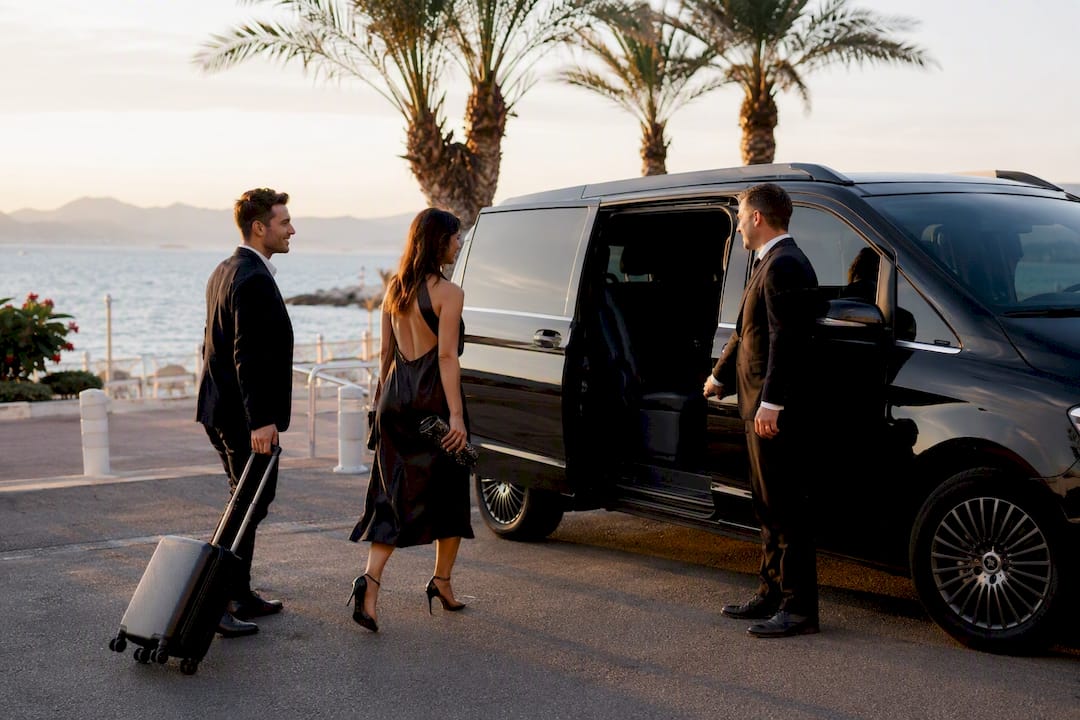
En revanche, face à un retard de vol, exigez de la flexibilité : c’est précisément ce que le suivi de vol est censé couvrir. La vraie compétence d’un chauffeur privé sur la Riviera se mesure autant à sa ponctualité qu’à sa capacité à distinguer un imprévu légitime d’un simple changement d’avis.
Réservez un transfert privé fiable sur la Côte d’Azur
Transponyx reste l’option la plus prévisible pour qui veut éviter les mauvaises surprises tarifaires ou logistiques sur la Riviera : chauffeurs VTC licenciés, flotte Mercedes-Benz composée de Standard Sedan, Business Sedan, Van 7 pax et Van 8 pax, service disponible 24 heures sur 24 et 7 jours sur 7.
Chaque transfert aéroport inclut le suivi de vol et un temps d’attente gratuit, deux garanties qui font toute la différence lors d’un retard sur un vol en provenance de Paris ou de Londres. Pour un trajet vers Monaco, Cannes, Antibes, Menton ou Saint-Tropez, les tarifs fixes 2026 sont confirmés dès la réservation, sans surprise à l’arrivée. Pour organiser votre transfert ou poser une question sur une politique d’annulation avant de réserver, appelez le +33 6 10 30 71 84 ou envoyez un message WhatsApp au +33 7 67 78 10 26. Une réponse écrite vous est envoyée sous peu, avec confirmation immédiate de votre créneau.
Où vérifier les conditions avant de réserver
- Les pages de conditions générales de chaque prestataire, avant toute réservation.
- Les modalités de contact et de confirmation sur Transponyx.
- Conservez toujours votre e-billet et exigez une confirmation écrite d’annulation.
Sources
FAQ
Peut-on annuler gratuitement un transfert privé jusqu’à 24 heures avant ?
Oui, c’est la règle la plus répandue chez les prestataires et agrégateurs, mais certains contrats français appliquent des paliers différents, parfois jusqu’à 48 ou 72 heures pour un remboursement intégral.
Que se passe-t-il si mon vol est retardé ?
Avec un suivi de vol inclus, l’heure de prise en charge s’ajuste automatiquement ; signalez tout changement de numéro de vol pour que le suivi reste actif et évitez ainsi d’être facturé comme un no-show.
Combien de temps faut-il pour être remboursé après une annulation ?
Le délai varie selon le mode de paiement et la banque, généralement de quelques jours ouvrés jusqu’à une semaine.
Les événements comme le Grand Prix de Monaco changent-ils les règles d’annulation ?
Oui, les prestataires appliquent souvent des conditions non remboursables plus strictes pendant les périodes de forte demande comme le Grand Prix de Monaco ou le Festival de Cannes, car le véhicule et le chauffeur sont bloqués longtemps à l’avance.
Une annulation par téléphone suffit-elle ?
Non, la plupart des prestataires, dont Transponyx, exigent une confirmation écrite avant de considérer la réservation comme officiellement annulée.