
For most business travellers and anyone booking within a week of departure, flying with Air France remains quicker door to door. For those booking weeks ahead, carrying heavy luggage, or starting their journey near Gare de Lyon rather than an airport, the SNCF train usually wins on cost and convenience, and a fixed-rate transfer with a provider such as TranspOnyx closes the final leg smoothly.
Line-haul vs door-to-door time: TGV, flights and night train compared
The raw numbers favour the aeroplane, but raw numbers rarely tell the whole story on this route. Air France schedules show a flight time of around 1h20 to 1h30 between Paris and Nice Côte d’Azur Airport, while SNCF Connect timetables list direct TGV INOUI services between Gare de Lyon and Nice-Ville ranging from about 5 hours 36 minutes at the fastest up to just under 7 hours, with roughly a dozen direct departures each day.
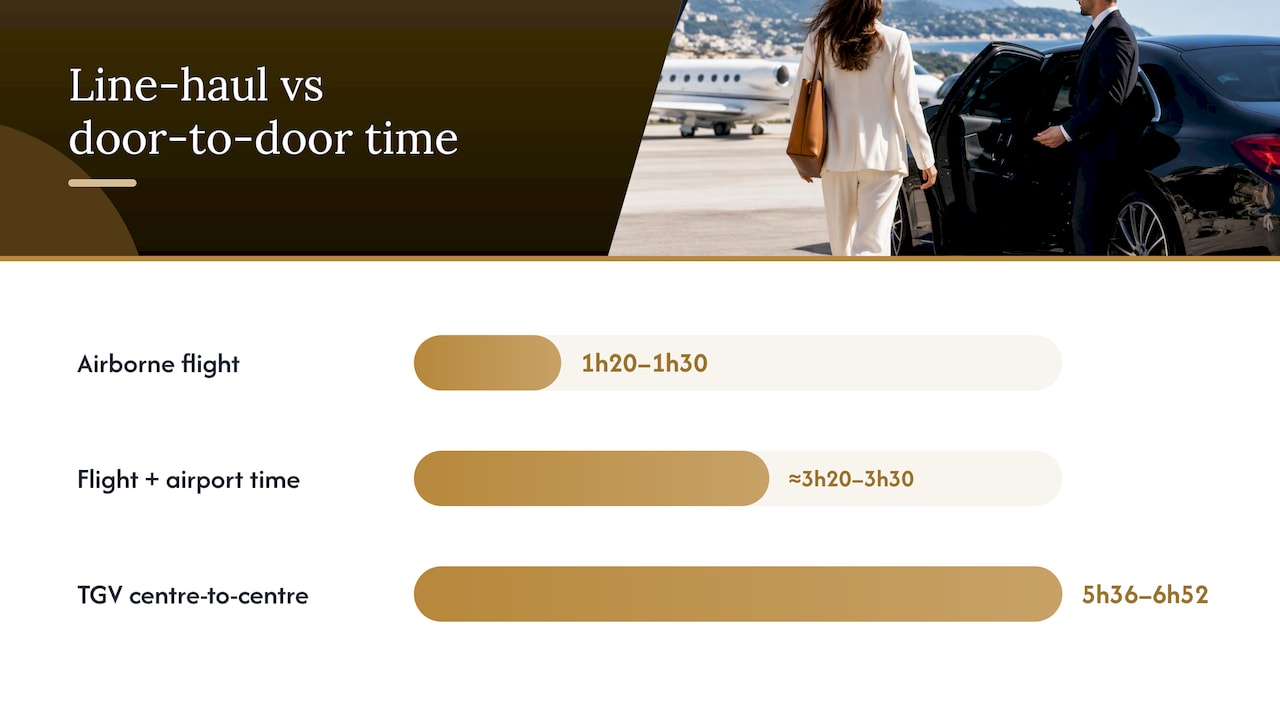
Once you add the realities of getting to and through an airport, the gap narrows considerably. A traveller flying from central Paris must reach Charles de Gaulle or Orly, clear security, board, land at Nice NCE, then travel the final kilometres into town. Independent comparisons suggest that once these steps are counted, the flight’s advantage often shrinks to somewhere between 45 to 60 minutes over the train, despite an airborne time of approximately 1 hour 35 minutes.
Three scenarios illustrate this well:
- Centre to centre: Gare de Lyon to Nice-Ville by TGV takes 5h36 to 6h52 with no further transfer needed for those staying near the station.
- CDG to Cannes: flying adds roughly two hours of airport time either side of the 1h20 to 1h30 flight, then a further drive to Cannes.
- Overnight sleeper: Intercités de Nuit departs late evening and arrives the next morning, absorbing the journey into a night you would otherwise spend in a hotel.
That third option deserves attention because it changes the calculation entirely: instead of comparing hours spent travelling, you are comparing a night on a train against a night in a hotel room you would have booked anyway.
How fares behave: advance vs last-minute, peak-season effects and baggage costs
Price is where the train most reliably beats the plane, provided you book early. OUIGO and TGV INOUI fares on this corridor commonly start from around €19 to €39 when purchased well ahead, while early flight fares tend to range from roughly €40 to €71. Book late, however, and the picture reverses: train fares on popular departures climb steeply in the final days before travel, often overtaking comparable last-minute flights.
Seasonal demand matters just as much as booking lead time. July and August see sharp fare increases on both modes, and the weeks surrounding major Riviera events such as the Cannes Film Festival, the Monaco Grand Prix or MIPIM in Cannes push prices higher still, on trains and aircraft alike.
- Book trains and flights as far ahead as your plans allow, since early fares on both modes sit well below last-minute pricing.
- Factor in checked-bag fees on low-cost carriers, which can add a meaningful sum to an apparently cheap flight.
- Remember that TGV fares include generous baggage allowances with no separate charge, which changes the effective comparison for anyone travelling with more than a single cabin bag.
Seat selection fees on some airlines add another layer of cost that rarely appears in the headline fare, so the advertised price is seldom the final one.
Comfort, luggage and the scenic value of the train versus the flight experience
Space is the train’s quiet advantage. A TGV seat allows you to stand, walk to the buffet car, open a laptop on a proper table and move freely for the length of the journey, none of which is realistic in an aircraft cabin during a 1h20 flight bookended by security queues. For business travellers who want to work rather than simply arrive, that difference in usable time can matter more than the headline journey duration.
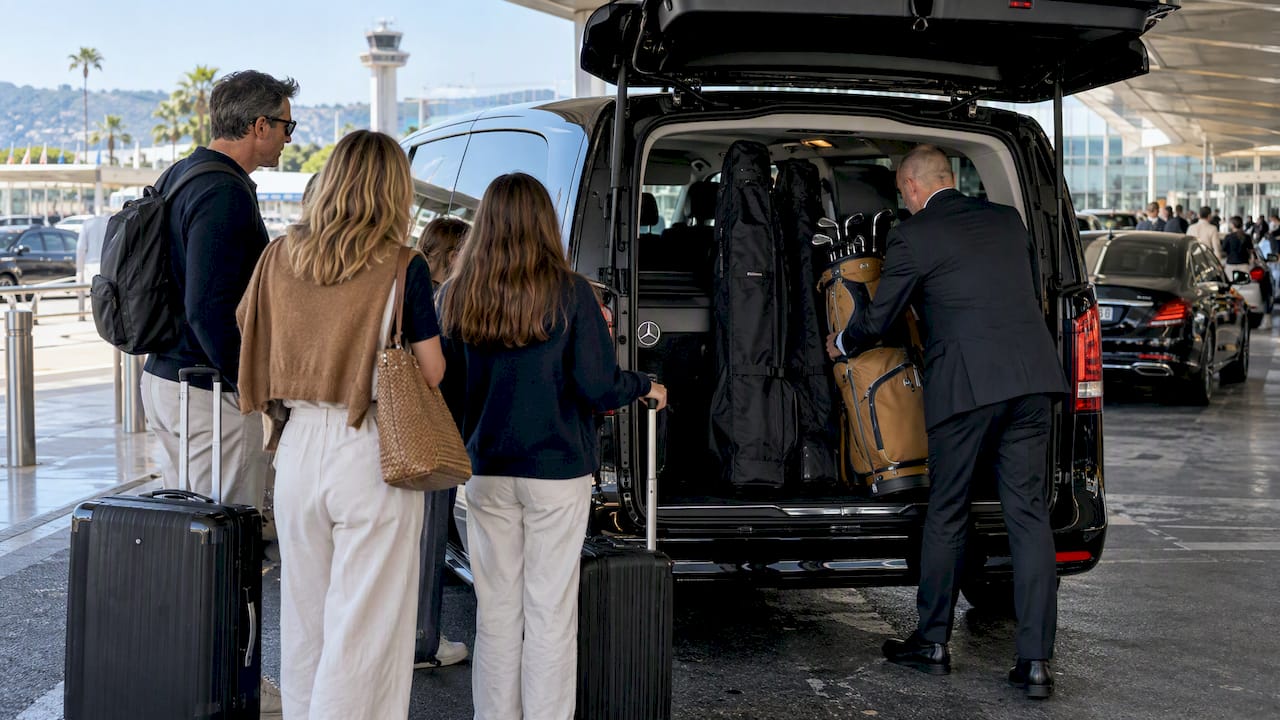
Luggage reinforces the point. The TGV imposes no strict weight limit and no supplementary fee for an extra suitcase, which suits anyone travelling with skis, golf clubs or a case destined for a week in Saint-Tropez. Flying usually means checking the second bag and paying for it.
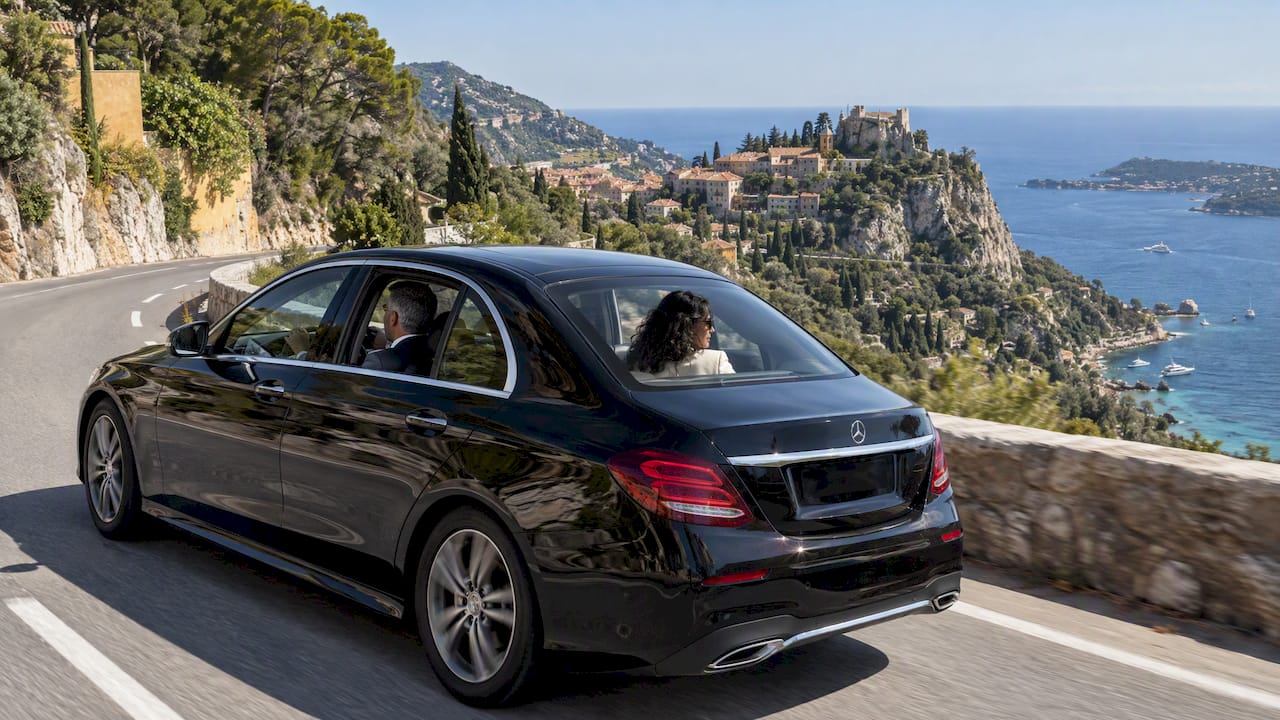
There is also a scenic dimension that no spreadsheet captures. The final stretch of the Paris to Nice line runs along the Esterel coastline, with the Mediterranean visible for long sections before the train pulls into Cannes and then Nice. For leisure travellers who see the journey as part of the holiday rather than an obstacle to it, that view carries real value.
Intercités de Nuit: when an overnight sleeper is the best choice
The Intercités de Nuit sleeper service, highlighted by the Ministère de la Transition écologique as part of France’s push towards lower-carbon travel, departs Paris Austerlitz at around 20:52 and arrives in Nice at approximately 09:06. For travellers who would otherwise pay for a Paris hotel room the night before an early flight, the sleeper effectively folds accommodation and transport into one ticket.
It suits a specific traveller: someone happy to avoid daytime transfers entirely, keen to minimise their carbon footprint, and untroubled by couchette-style compartments rather than a private cabin. Availability is more limited than daytime TGV services, and couchette comfort will not suit everyone, so this option rewards early booking and realistic expectations rather than spontaneity.
How to handle the final leg from Nice-Ville or NCE
Arrival is where many otherwise well-planned trips lose their shine. Air France guidance stresses building in sufficient buffer time for connections, a principle that applies equally once you land. Nice Côte d’Azur Airport sits around 7 kilometres from the city centre, a distance comparable to the Lisbon airport to city link described in this transfer guide, yet actual transfer time depends heavily on traffic and time of day.
A few practical points help here:
- NCE to central Nice typically takes 15 to 25 minutes by road outside peak traffic, longer during summer congestion or major events.
- Nice Saint-Augustin station, closer to the airport than Nice-Ville, can offer a useful short connection for travellers combining rail and air.
- A pre-booked, fixed-rate chauffeur avoids both the uncertainty of taxi queues and the unpredictability of surge pricing during Cannes Film Festival or Monaco Grand Prix periods.
TranspOnyx, a Nice-based private chauffeur service, builds flight monitoring and 60 minutes of free waiting time into every airport pickup, which matters when a flight lands late and a connecting transfer cannot.
A concise decision checklist for picking train or flight
Choosing between modes becomes straightforward once you answer a handful of questions in order.
- Check your starting point: if you are already near Gare de Lyon, the train’s door-to-door advantage grows; if you are near Charles de Gaulle, flying often makes more sense.
- Check your Riviera destination: Cannes and Antibes sit close to both Nice-Ville and NCE, while Saint-Tropez and the Alpine resorts favour a direct chauffeur transfer regardless of your main mode.
- Check your luggage: skis, golf clubs or multiple suitcases tip the balance towards the train’s unrestricted baggage allowance.
- Check your booking window: book more than a fortnight ahead and the train competes well on price; book inside a week and flights often match or beat it.
- Check the calendar: avoid assuming off-peak pricing during Cannes Lions, MIPCOM or the Monaco Grand Prix, when both modes see demand spikes.
Pro Tip: Compare the SNCF Connect timetable and the Air France schedule for your exact dates before booking either, since fares and durations shift significantly within the same week.
A traveller heading to Monaco for a weekend with only hand luggage will usually find flying simplest. A family travelling to Saint-Tropez with ski bags or golf clubs will generally find the train, paired with a chauffeured onward transfer, less stressful and often cheaper overall.
What years of Riviera ground transport reveal about this choice
Having watched travellers arrive in Nice through every scenario this route produces, I have come to see the train versus flight debate as less about speed and more about where the journey actually ends. A flight into NCE suits someone heading straight into Nice or Cannes with light luggage. It suits almost no one heading to Saint-Tropez, Isola 2000 or a villa tucked behind Menton, because the last kilometres by road take longer than most people expect and cost more when arranged on arrival rather than in advance.
During Cannes Film Festival, MIPIM or the Monaco Grand Prix, the mode of arrival matters less than what happens after you land or disembark. A pre-booked chauffeur, reachable through TranspOnyx on +33 6 10 30 71 84 or at https://transponyx.com, removes the one variable neither the TGV timetable nor the Air France schedule can control: what happens once you are on Riviera soil and need to be somewhere precise, on time and with your luggage intact.
— Dany
A smoother final leg with TranspOnyx
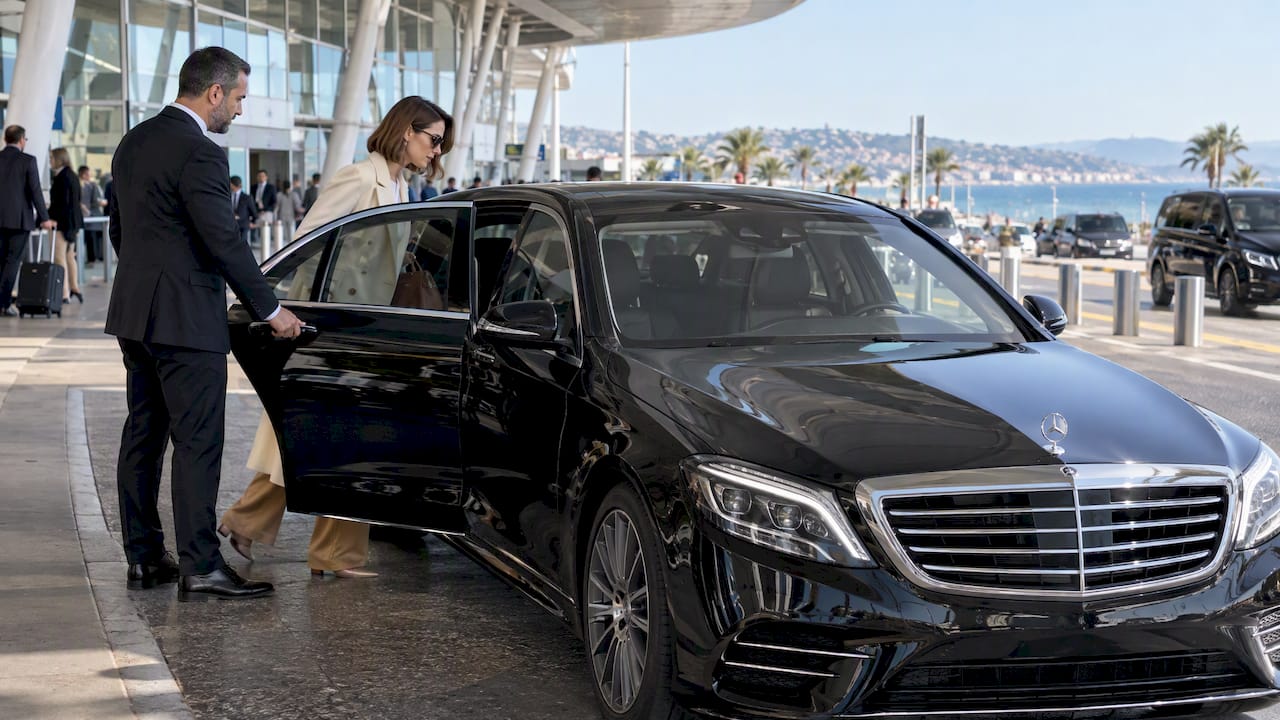
Whichever mode gets you to Nice-Ville or Nice Côte d’Azur Airport, the final stretch to your hotel, villa or event venue is where a fixed-rate chauffeur earns its keep. TranspOnyx runs a fleet of Standard Sedan, Business Sedan, Van 7 pax and Van 8 pax vehicles, all Mercedes-Benz, each fitted with Wi-Fi, air conditioning, chilled water and child seats available on request.
- Choose a sedan for a quick business transfer to Monaco or Cannes with minimal luggage.
- Choose a van for groups or families travelling with ski equipment, golf clubs or multiple suitcases.
- Choose a chauffeur over a taxi queue whenever you are arriving during a major event, since fixed 2026 rates confirmed at booking remove any risk of surge pricing.
Every airport pickup includes 60 minutes of free waiting time and flight monitoring, so a delayed TGV connection or a late Air France arrival does not leave you stranded. For a fixed quote on your route, from NCE to Monaco, Cannes, Antibes, Menton or Saint-Tropez, visit the airport transfer landing page or call +33 6 10 30 71 84 to confirm your 2026 rate.
Sources
- Train timetables Nice-Paris – SNCF Connect
- Fly from Paris to Nice — Air France
- Train de nuit policy — Ministère de la Transition écologique
- Paris to Nice: Train or Flight? — France Travel Wiki
FAQ
Is it better to travel from Paris to Nice by train or fly?
It depends mainly on your booking window and starting point: book early and the TGV often costs less and includes more baggage allowance, while booking within a week tends to favour flying with Air France. Travellers heading beyond Nice itself, towards Saint-Tropez or the Alpine resorts, generally do better combining either mode with a pre-booked chauffeur transfer.
Should I fly or train from Nice to Paris?
The same logic applies in reverse: flying typically saves 45 to 60 minutes once airport transfers are included, while the TGV offers more working space and a scenic route along the Esterel coast. Those without tight time constraints often find the train more relaxing for the return leg.
Is the train ride from Paris to Nice worth it?
Yes for many travellers, particularly those booking ahead, carrying heavy luggage or wanting to work en route, since the TGV journey takes 5h36 to 6h52 with no airport security to navigate. The final stretch along the coast also adds genuine scenic value that a flight cannot offer.
How best to travel from Paris to Nice?
The best option depends on your priorities: flying suits time-pressed travellers with light luggage, the TGV suits those booking early or carrying bulky items, and the Intercités de Nuit sleeper suits anyone wanting to save a hotel night while minimising their carbon footprint. Whichever you choose, arranging a fixed-rate chauffeur for the final leg into Monaco, Cannes or Saint-Tropez removes the least predictable part of the trip.

0 commentaires